
Eindhoven
Currency
Euro (€)
Language
English, Dutch
Best Time to Visit
April, October
Getting Around
Walk, Bike, Bus
Table of Contents
Things to do?
My Favorites
Top 10 Attractions


3. Silly Walk Tunnels
The Silly Walk Tunnels form an underground network of tunnels covered in graffiti and illuminated at night. Tour this fun experience.


5. Genneper Park
Genneper Park spreads across Eindhoven’s outskirts. Discover lakeside walking trails, fishing spots and boating within the grounds.


7. Philips Museum
Dutch electronics giant Philips comes to life at the Philips Museum. Interactive displays showcase the company’s product evolution and innovations.


9. Eindhoven Zoo
Eindhoven Zoo sits right in the city center. Monkeys, reptiles, birds and numerous other species call this urban wildlife sanctuary home.
- Sightseeing
- Architecture
10. Het Veem Market
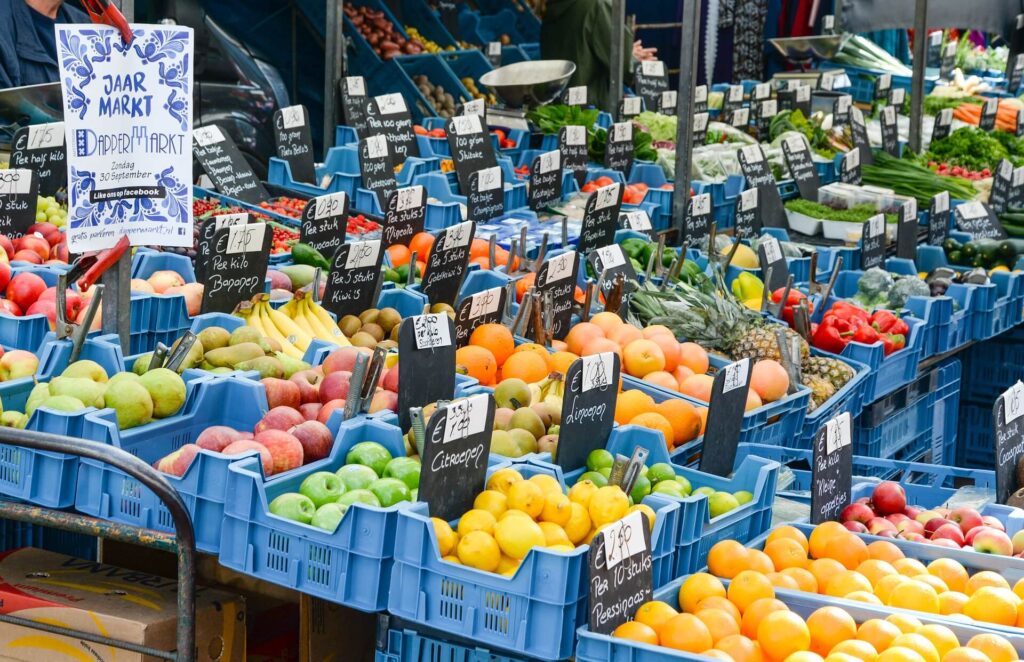
Het Veem Food Market brings together local producers. Fresh, regional ingredients line the stalls. Grab your bags and start shopping.
Top 10 Attractions in Eindhoven
Architecture 'BLOB'
A Vision from the Future
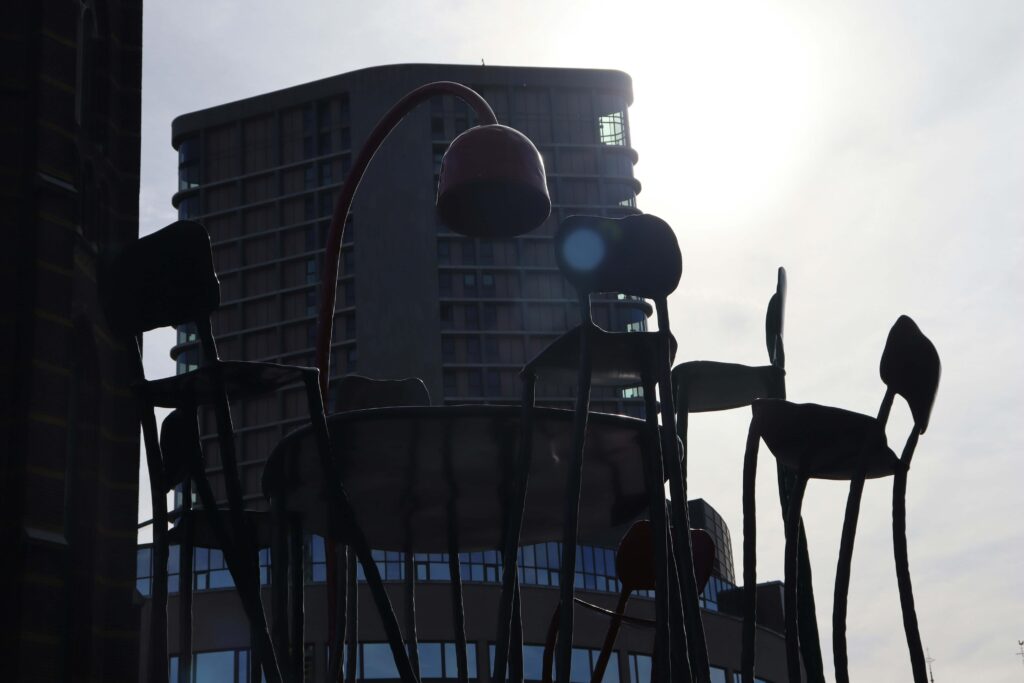
The building looks like it landed from somewhere else. All curves and no corners.
The BLOB is a residential and commercial complex in Eindhoven’s city center designed by architect Massimiliano Fuksas. Completed in 2010 it houses apartments, shops and offices inside an organic form that defies traditional architecture. The exterior curves continuously with no straight lines. At night LED lights illuminate the structure from within making it glow like a strange jellyfish. The design won the Dedalo Minosse International Prize for commissioning a building. Inside the spaces feel equally unusual with curved walls and unexpected angles. The building represents Eindhoven’s commitment to experimental design and urban innovation.
The surface looks almost soft in certain light. Metal panels catch reflections from passing cars and clouds. People stop on the sidewalk to photograph it from different angles trying to capture the full shape. The building seems to shift depending on where you stand. Inside a coffee shop operates on the ground floor. The curved windows create unusual views of the street outside.
Locals either love it or find it ridiculous. There’s not much middle ground. But everyone agrees it makes a statement about what kind of city Eindhoven wants to be.
Visit at dusk when the lights begin to glow and the building transforms from sculptural oddity to luminous presence. Walk completely around it to understand the form, photos never capture how it warps perspective. The coffee shop inside offers the best vantage point for experiencing the curved interior spaces. Love it or hate it the BLOB shows you a city willing to take risks with its skyline.
St. Catherine
A Whisper of History
The tower stands empty now. No bells chime. But the presence remains undeniable.
St. Catherine’s Church was built 1867 in neo-Gothic style as Eindhoven transformed from village to industrial city. The church served the growing Catholic population drawn by Philips factory jobs. The tower rises 73 meters dominating the city center skyline. By the 1970s attendance declined and maintaining the massive structure became difficult. The church was deconsecrated in 1985. After years of debate and near demolition it was converted into a design center and event space in 2001. The interior was stripped to reveal the architectural bones, soaring arches, exposed brick and vast open space.
Inside your footsteps echo against stone. The ceiling disappears into shadows far above. Natural light pours through tall Gothic windows creating geometric patterns on the floor. The space smells like old stone. Events fill the calendar be it design exhibitions, markets, conferences and private functions. Modern furniture and lighting installations contrast sharply with the medieval inspired architecture.
Young professionals rent the space for weddings. Design students attend lectures in what used to be the nave. The sacred and the secular share the same bones.
Check the event calendar before visiting as the church only opens during scheduled activities. Design Week in October transforms it into a major exhibition venue worth planning around. The contrast between Gothic form and contemporary function creates powerful tension. Stand in the center and look straight up to feel the full height. Some spaces demand to be preserved even when their original purpose fades.
Silly Walk Tunnels
Unleashing Your Inner Monty Python Fan
John Cleese’s ridiculous high stepping gait covers the tunnel walls. You can’t help but smile before you even enter.
The Silly Walk Tunnels are a pedestrian and cyclist passage beneath Eindhoven’s busy city center. Originally these tunnels served purely functional purposes, getting people safely under traffic. Then Monty Python’s famous “Ministry of Silly Walks” sketch featuring John Cleese’s absurd bureaucratic walk inspired a transformation. Murals depicting the sketch now cover the tunnel walls turning mundane infrastructure into tribute art. The installation celebrates the Python sketch that made silly walking internationally recognized. For fans of British comedy and anyone who appreciates cities with a sense of humor these tunnels offer unexpected delight in an otherwise ordinary commuter route.
The murals glow under fluorescent lighting. Cleese’s exaggerated poses repeat along the walls in bright colors. Cyclists ring bells as they pass. Footsteps echo against concrete. Some people unconsciously start walking a bit strangely as they move through. Children definitely do silly walks. Adults glance around then sometimes join in. The air smells like damp concrete and bike oil. Laughter bounces off the walls when groups pass through together.
Commuters use these tunnels daily. The Python tribute transforms routine into something that makes locals feel lucky to live in a city that celebrates absurdity.
Go during morning or evening commute hours to see the tunnels in actual use rather than as empty tourist curiosity. The murals photograph well but the real joy comes from watching people’s faces change when they realize what they’re walking through. Don’t rush, take time to appreciate each mural panel. It’s a small thing but it shows how public infrastructure can honor comedy and playfulness. Eindhoven understands that cities need laughter built into their foundations.
Explore Strijp-S
Where History Gets a Modern Makeover
The factory walls still stand but the machines are gone. In their place you’ll find studios and startups and skate ramps.
Strijp-S was once a forbidden city, the massive Philips industrial complex closed to outsiders. Founded in 1916 it manufactured light bulbs, radios and other electronics. At its peak 10,000 people worked here. When Philips moved production elsewhere the buildings sat empty for years. Beginning in 2000 the area was transformed into a creative district. Old factory halls now house design studios, tech companies, restaurants, bars and event spaces. The iconic Klokgebouw, the clock building, serves as the district’s centerpiece with its twin towers. Street art covers many walls. The area preserves its industrial character while adding contemporary life.
Concrete floors stretch beneath high ceilings. Skylights flood spaces with natural light. The smell of coffee drifts from specialty cafes. Music thumps from creative studios. People work on laptops in converted machine shops. On weekends the outdoor area fills with food trucks and pop-up markets. Skateboarders use the smooth industrial surfaces. The brick and steel architecture creates dramatic backdrops.
This is where Eindhoven’s creative class works and socializes. It’s not a museum of industrial heritage, it’s a living working neighborhood built inside history.
Visit on Sunday afternoon when the creative market runs and food trucks gather near the Klokgebouw. The area comes alive with energy that feels authentic rather than curated. Explore the small alleyways between buildings where street art constantly changes. Stay for dinner at one of the restaurants, they’re better than you’d expect from what was recently a factory district. Industrial heritage works best when it evolves rather than freezes in time.
Genneper Park
A Breath of Fresh Air
The water mill still turns when the stream runs high. You can hear the wooden wheel creaking as it’s done for seven hundred years.
Genneper Park covers over 200 hectares on the southern edge of Eindhoven along the Dommel River. The park includes meadows, forests, waterways and historical buildings. At its heart sits Genneper Watermill dating to the 13th century. The mill was rebuilt several times over centuries and still grinds grain using water power. The surrounding park was agricultural land until the 1970s when the city acquired it for recreation. Now it offers walking trails, cycling paths, horse riding, playgrounds and open fields. A rare breeds farm preserves traditional Dutch livestock. Educational programs run year-round focusing on nature and historical farming methods.
Leaves rustle overhead on forest paths. The river runs clear and shallow over stones. Birds call from the wetlands. The mill wheel splashes water in steady rhythm. In the farm animals graze in traditional patterns, sheep on the meadows, pigs rooting in the underbrush. The air smells green and alive. Families spread blankets for picnics. Joggers pass in steady rhythm. Cyclists pause at the mill to watch it work.
City residents come here to decompress. It’s close enough for a quick evening walk but large enough to feel remote.
Rent a bike and explore the full loop which connects to broader regional cycling networks. Visit the watermill when it’s operating, usually weekends when volunteers run demonstrations. Pack a picnic and claim a spot near the river where the sound of water drowns out city noise. The park shows you the countryside that once surrounded Eindhoven before industry arrived. That green past persists in pockets if you know where to look.
Van Abbemuseum
A Feast for the Senses
The woman in the gallery stares at a canvas for fifteen minutes without moving. When she finally leaves she’s wiping her eyes.
The Van Abbemuseum opened in 1936 when cigar manufacturer Henri van Abbe donated his modern art collection to Eindhoven. The museum focuses on 20th and 21st-century art with strong holdings in CoBrA movement works, conceptual art and contemporary pieces. The collection includes works by Picasso, Kandinsky, Chagall and El Lissitzky. A controversial 2003 expansion added bold contemporary architecture to the original building. The museum takes progressive positions often organizing exhibitions around social and political themes rather than pure aesthetics. The approach makes it one of the Netherlands most intellectually challenging art institutions.
Galleries feel contemplative and sparse. White walls amplify the impact of each piece. Natural light floods through carefully designed windows. The floor creaks slightly in older sections. Some rooms feel vast and empty holding just one massive canvas. Others pack walls with smaller works creating visual density. The air smells neutral, climate controlled and clean.
Art students sketch in notebooks. Locals visit regularly treating it like a resource rather than a destination. The museum assumes viewers want to think rather than just look.
Allow at least two hours and don’t try to see everything. Pick one or two exhibitions that interest you and sit with them. The museum publishes excellent exhibition guides, grab one at the entrance. Wednesday evenings stay open late with reduced crowds and different energy. If contemporary art sometimes feels impenetrable this museum provides context without condescension. Challenging work becomes more accessible when institutions trust viewers to engage seriously.
Philips Museum
A Journey Through Innovation
The first light bulb they produced still works. It glows in a display case like a small captured star.
The Philips Museum occupies the original factory building where Gerard Philips and his father Frederik started their lamp manufacturing company in 1891. From this small Eindhoven building Philips grew into a global electronics giant. The museum traces the company’s history and its profound impact on Eindhoven’s development. Exhibitions cover early light bulb production, the evolution of radios and televisions, medical equipment innovation and design philosophy. Original machinery sits alongside modern interactive displays. The building itself is a monument to industrial heritage with preserved workshops and atmospheric factory spaces.
Machinery gleams under careful lighting. Old radios line shelves in beautiful wooden cabinets. The space smells faintly of oil and old electronics. Videos show assembly lines from different decades. You can operate some vintage equipment yourself, turning dials and watching tubes glow to life. Historical photographs show Eindhoven transforming from small town to industrial city. Workers uniforms and time cards humanize the industrial story.
Older locals visit with memories of parents or grandparents who worked for Philips. For them it’s personal history housed in a museum.
Start with the introductory film to understand Philips’s scope, it makes the rest of the exhibits more meaningful. Touch everything they allow you to touch. These machines were meant to be operated not just observed. The museum shop sells vintage style Philips products that make better souvenirs than typical museum merchandise. Understanding Philips means understanding Eindhoven. The company didn’t just employ the city, however it essentially created modern Eindhoven. That relationship explains everything about this place.
DAF Museum
A Celebration of Trucks
The truck is enormous. Standing beneath it you feel the scale of what Dutch engineering achieved.
The DAF Museum celebrates the history of Van Doorne’s Aanhangwagen Fabriek “DAF” which began in 1928 building trailers then evolved into producing trucks and cars. The museum occupies a building near the original factory in Eindhoven. Exhibitions display vintage trucks, passenger cars, racing vehicles and military transport. The collection includes the famous DAF 600, the first car DAF produced in 1958 and various iterations of the innovative Variomatic continuously variable transmission. Racing enthusiasts appreciate the Formula 3 and rally cars. The museum also covers DAF’s truck division which continues production today as part of PACCAR.
Chrome gleams under showroom lighting. Engines sit exposed showing their mechanical complexity. The smell of old rubber and metal fills the air. You can climb into several vehicles sitting behind steering wheels and imagining different eras of Dutch roads. Information placards explain technical innovations in accessible language. Some trucks dwarf the visitors standing beside them. Vintage advertisements show how DAF marketed practicality and innovation to Dutch families.
Truck drivers and automotive enthusiasts dominate the visitor base. Some visitors bring stories about DAF cars their families owned decades ago.
Automotive knowledge isn’t required, the museum explains innovations clearly enough for general audiences. Allow about ninety minutes unless you’re a serious enthusiast. The Variomatic transmission section deserves extra attention because it revolutionized small car design. Visit midweek when you might have the place nearly to yourself. DAF represents Dutch industrial ambition, the idea that a small country could compete globally through engineering excellence. That spirit still drives Eindhoven’s innovation economy.
Eindhoven Zoo
Encountering the Animal Kingdom
The peacock screams. It’s strutting across the path blocking everyone and clearly enjoying the attention.
Dierenrijk, Kingdom of Animals, sits just outside Eindhoven in Nuenen. It opened in 1995 and focuses on providing naturalistic habitats rather than traditional cages. The zoo specializes in European and Asian species organized by geographic regions. You’ll find red pandas, snow leopards, European bison, wolves and various primates. The park design emphasizes immersive environments with minimal barriers between visitors and animals. Walking paths wind through different climate zones and habitat types. Educational programs target school groups and families. The zoo participates in European breeding programs for endangered species.
Trees create canopy shade over the paths. Animal sounds layer over each other, birds calling, primates chattering, water features splashing. The air smells like earth and vegetation and occasionally something distinctly animal. Red pandas sleep in branches. Otters play in their pool chasing each other in circles. Children press against glass watching wolves pace their territory. The snow leopard habitat uses vertical space with rocks and platforms where the cats can climb and survey their domain.
Dutch families fill the zoo on weekends and school holidays. Regulars know which feeding times draw the most active animal behavior.
Arrive when gates open to see animals at their most active before crowds and heat slow everything down. The red panda habitat and snow leopard enclosure are highlights worth spending extra time observing. Bring your own food to save money and picnic in the designated areas. The zoo stays manageable in size, you can see everything in three to four hours without rushing. It won’t compete with major European zoos but it succeeds by creating quality habitats rather than chasing quantity.
Het Veem Market
A Culinary Adventure
The DJ plays vinyl. Someone’s selling vintage motorcycle parts. The coffee smells better than it has any right to.
Het Veem Market happens monthly in a converted industrial warehouse in Strijp-S. The market combines vintage goods, handmade crafts, local food vendors, design objects and live music. Sellers include independent makers, collectors and small businesses. The space retains its industrial character, concrete floors, exposed beams and large doors that open to let in light and air. The atmosphere stays relaxed and creative rather than commercial. Markets run year-round typically on the first Sunday of each month though the schedule varies.
Sunlight streams through industrial windows. The smell of fresh bread competes with brewing coffee. Vinyl records flip creates a soundtrack mixing genres. Vendors arrange their goods on wooden tables and vintage furniture. Someone’s selling ceramics made in a Strijp-S studio upstairs. Another stall offers reclaimed furniture. People browse slowly picking up objects and asking makers about their process. Children run between stalls. Friends meet for coffee and end up staying for lunch at the food trucks parked outside.
Locals treat this as a social event as much as a shopping opportunity. The market creates community in what was recently an empty warehouse.
Check the exact dates online as the market doesn’t follow a strict monthly pattern. Arrive around 11am when it’s lively but not yet crowded. Bring cash because not all vendors accept cards. The market works best if you’re not hunting for anything specific, let yourself wander and see what catches your eye. Eindhoven’s creative economy operates at this scale in spaces like these. The energy feels genuine because it is.
Conclusion
FAQs
How to Get to Eindhoven
How to Travel to Eindhoven From Major Cities
Here’s an outline from key locations:
Utrecht
- Car: Enjoy a scenic drive of approximately 1 hour via the A2 highway.
- Train: NS Dutch Railways from Utrecht Centraal Station take around 45 minutes.
- Bus: FlixBus connect Utrecht and Eindhoven in approximately 1.5 hours.
Tilburg
- Car: A short 20 minute drive via the A58 highway is all it takes to reach Eindhoven.
- Train: NS Dutch Railways from Tilburg Centraal Station take around 15 minutes.
- Bus: Arriva and Bravo connections with a travel time of approximately 30 minutes.
Rotterdam
- Car: Take in the scenery with a 1 hour drive via the A27 highway.
- Train: NS Dutch Railways from Rotterdam Centraal Station take approximately 45 minutes.
- Bus: FlixBus connect Rotterdam and Eindhoven in around 1.5 hours.
Parking in Eindhoven
- Street Parking: Limited on street parking, often restricted to areas and time frames.
- Public Parking Lots: The city provides several public parking garages and lots.
- Hotels w/ Parking: Many hotels in Eindhoven offer on site parking facilities.
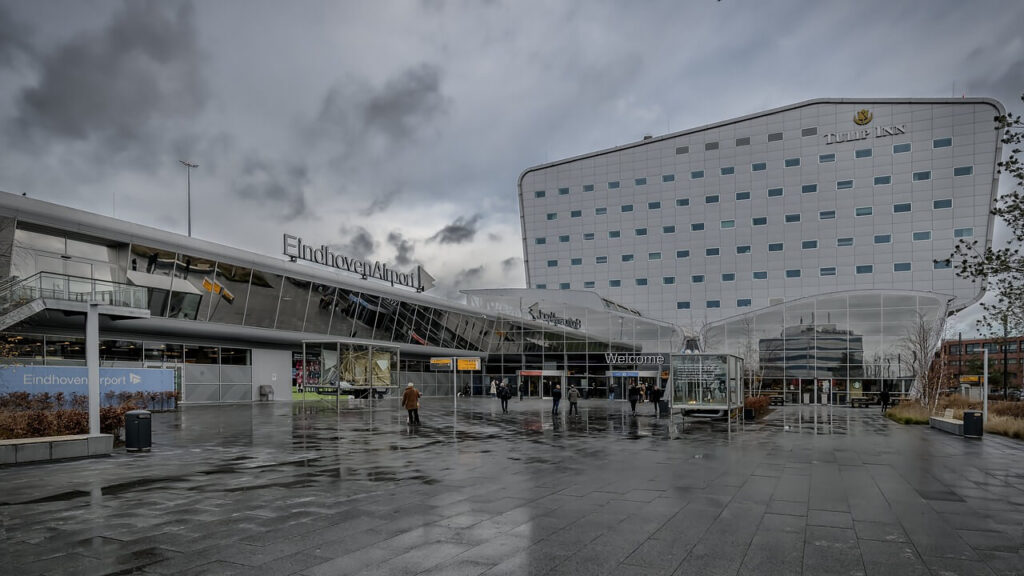
Airport Access in Eindhoven
- Location: Situated 10 km southeast of Eindhoven center.
- Transportation: Taxis, shuttle services and public buses are available to transport.
- Car Rental: Several car rental companies operate at Eindhoven Airport.
Ground Transportation in Eindhoven
Cars, buses and trains, the triumphant trio of travel. Providing a variety of choices:
Best Resources for Travel Planning

Flights
- Skyscanner
- Kayak
- Momondo
Accommodation
- Booking
- Agoda
- Hostelworld
- Airbnb
- +More
Transport
- Rental Cars
- Flixbus
- Trainline
- Interrail Pass
- + More
Tickets
- Viator
- Get your Guide
- Tripadviosor
Travel Finance
- Wise
- Revolut
Credit Cards
- American Express Gold Card
- Citi Premier Card
Travel Insurance
- Safety Wing
- Insure My Trip
- Medj
VPN
- Surfshark
- NordVPN
Flights
For seamless travel, meet your flight-booking wizards.
- Skyscanner: The Swiss Army knife, budget-wise, with a user-friendly interface.
- Kayak: Your travel detective, comparing deals across platforms, explore feature.
- Momondo: The local friend, uncovering affordable flights, for unique itineraries.
Accomandation
Choosing accommodation is like selecting a travel companion—it shapes your journey.
- Booking: Cozy guesthouses to luxury hotels, user-friendly and easy booking.
- Agoda: Unveiling unique accommodations, perks through a loyalty program.
- Hostelworld: The budget explorer’s compass, guiding to affordable stays.
- Airbnb: The disruptor, your local friend guiding you to unique spots.
- Secret Escapes: Offers exclusive deals on luxury accommodations worldwide.
- HostelPass: Discounts and perks for budget travelers staying in hostels.
- Plum Guide: Curates a collection of high-quality vacation rentals vetted by experts.
Transport
Discover Cars, Buses, and Trains for a journey as memorable as your destination.
- Rental Cars: Freedom on wheels, from compacts to SUVs, explore at your pace.
- Flixbus: Budget-friendly bus journeys across Europe for city-hopping.
- Trainline: Swift and easy track navigation with a one-stop ticket booking.
- Interrail Pass: Unleash European train travel magic, exploring diverse cultures.
- Eurail Pass: Extensive rail travel across Europe’s diverse landscapes.
- Rom2Rio: Simplifies travel planning by comprehensive route options.
- Outdoorsy: Connects nature enthusiasts with distinctive outdoor Rental.
- RV Share: Enables travelers on road trips through peer-to-peer RV rentals.
Tickets
Online ticketing platforms have revolutionized travel and entertainment experiences.
- GetYourGuide: Turns ordinary trips into immersive adventures, local guides.
- Viator: Simplifies your travel experience, offering a seamless platform for tours.
- Tripadvisor: Your guide to travel reviews and recommendations.
Travel Finance
Simplifying transactions and currency exchange for a smooth travel money experience.
- Wise: Formerly TransferWise, empowers travelers with real mid-market rates.
- Revolut: Fintech trailblazer, an app, currency wallet and fee-free spending abroad.
Credit Cards
Credit cards offer benefits like rewards and are useful for easy transactions or purchases.
- American Express Gold Card: Dive into a world of privileges and points.
- Citi Premier Card: A blend of rewarding points and flexible redemption options.
Travel Insurance
Providing comprehensive coverage and protection for travelers globally.
- Safety Wing: Excels in flexibility, providing coverage for digital nomads.
- Insure My Trip’s: Extensive network facilitates easy comparison.
- Medjet: Emergency transport, ensuring rapid air medical transport.
VPN
Encrypting your connection, hides your IP address, and defense against cyber threats.
- Surfshark: User-friendly features, unlimited device connections, secure.
- NordVPN: Vast server network, high speed connections and safe online presence.