
Amsterdam
Currency
Euro (€)
Language
English, Dutch
Best Time to Visit
April, October
Getting Around
Walk, Bike, Waterbus
Table of Contents
Things to do?
My Favorites
Top 10 Attractions
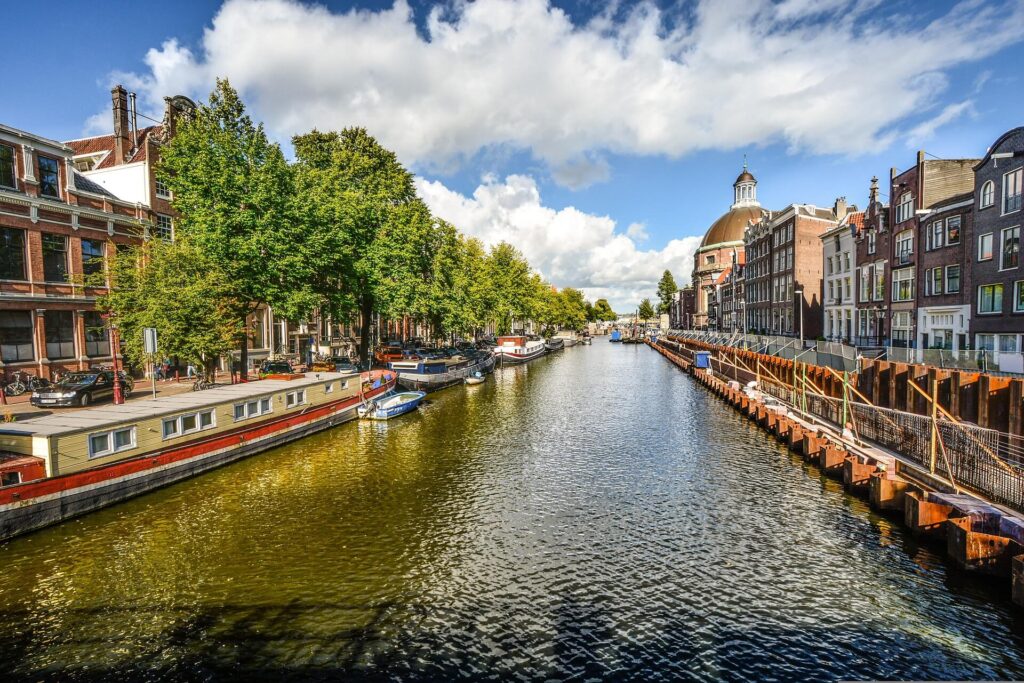
1. Canal Ring
Experience why Amsterdam earned it’s nickname “Venice of the North” as you explore the 17th century Canals. Walk or cycle along the Canal Ring.
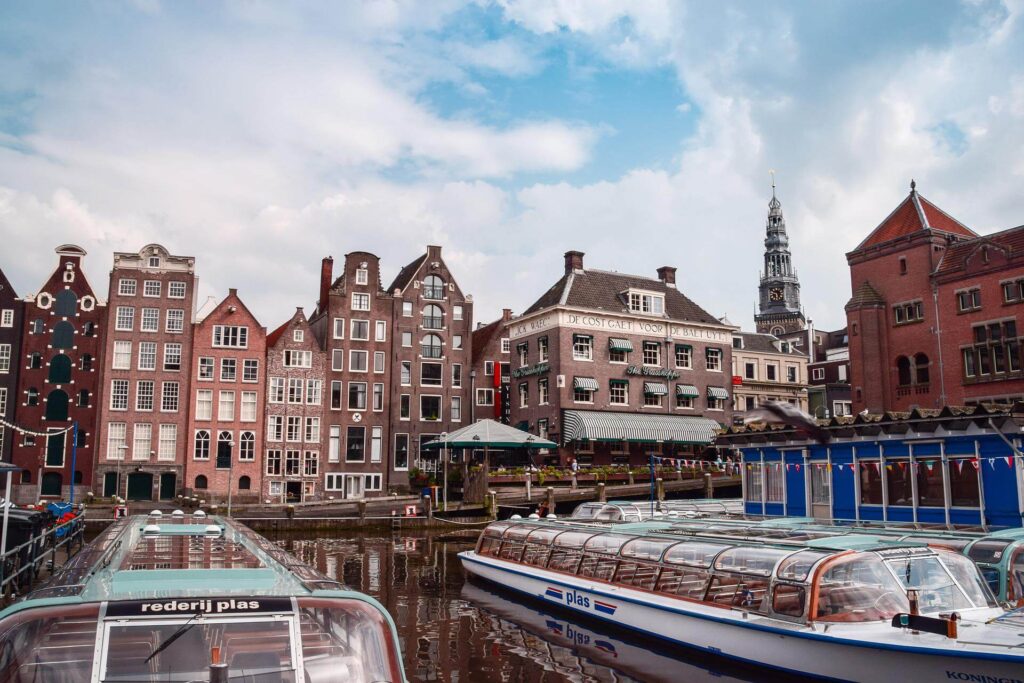
2. Canal Cruise
A Canal Boat being the ideal perspective to explore the Canal Ring. See houses, houseboats and the architecture in Amsterdam amidst the Evening Hours.
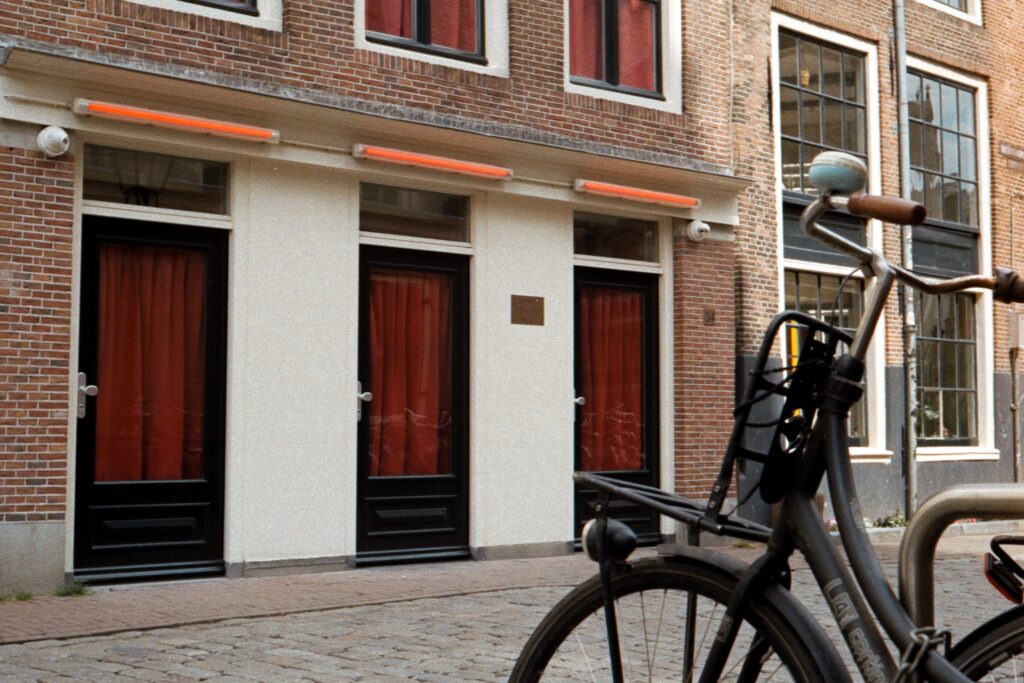
3. Red Light District
Amsterdam’s Red Light District from Brothels to Sex Stores to Museums. Contrary to popular belief, the District maintains a good aura, hop on a Tour.
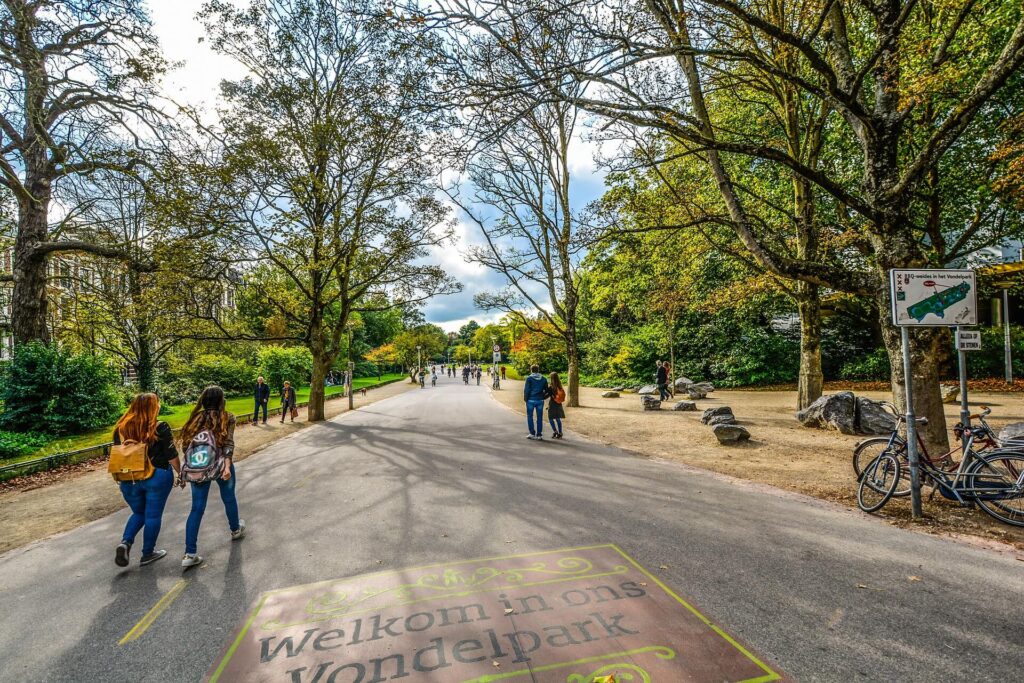
4. Vondelpark
Upon entering Vondelpark, you’ll be transported into another World. The birds and rose garden invite you to relax. Cycle around the park.
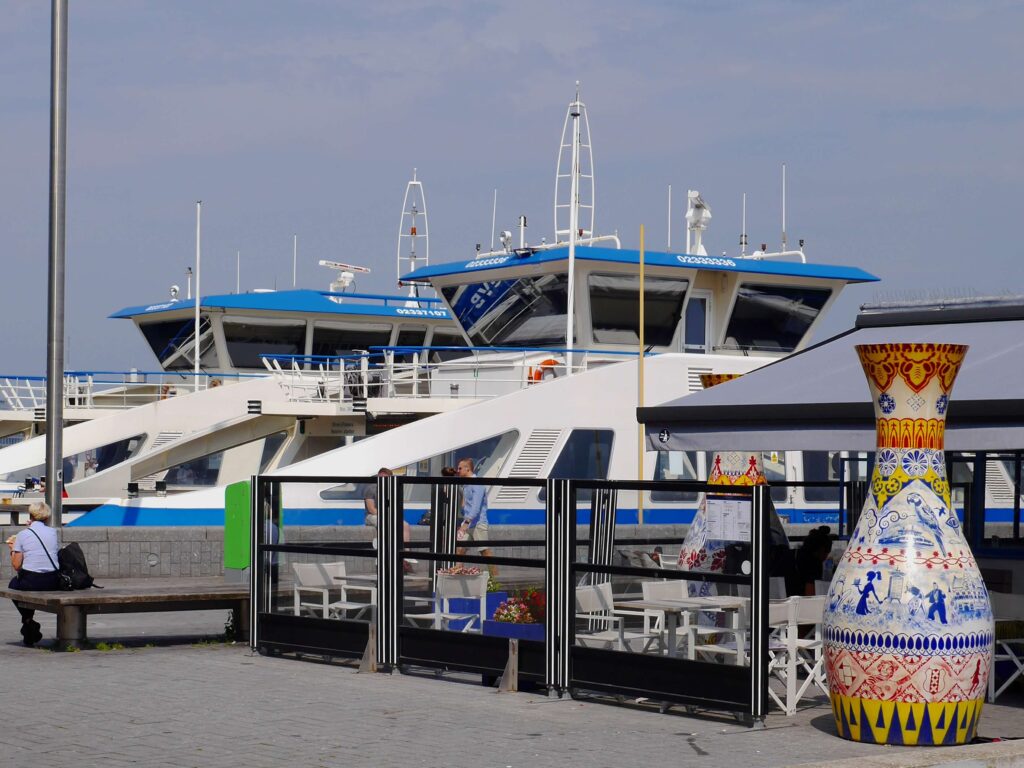
5. Free Ferry Trip
Enjoy complimentary ferry service across the IJ. In Amsterdam Noord, ferries transport you from behind the Central Station.
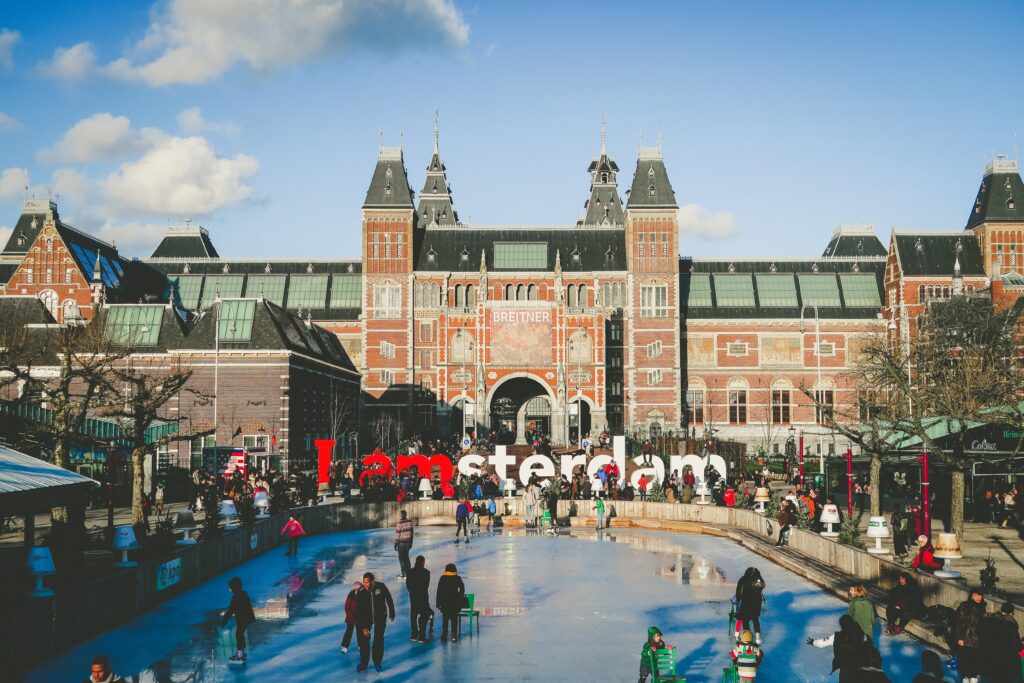
6. Amsterdam Sign
Until December 3, 2018, visitors could see the letters “I amsterdam” on Museumplein. Currently, relocated to Schiphol Plaza. Instagram Spot.
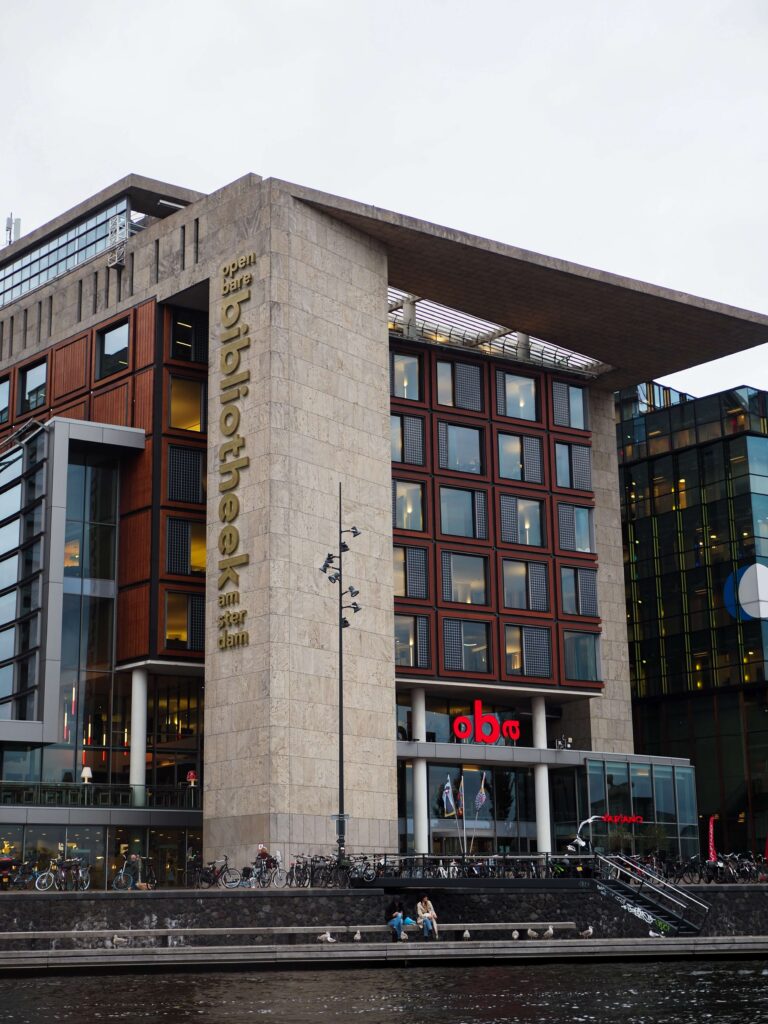
7. Public Libary
Home to Europe’s second largest Public Library. The facility spans 10 floors of knowledge. When rain dampens outdoor plans, it’s an ideal inside spot.
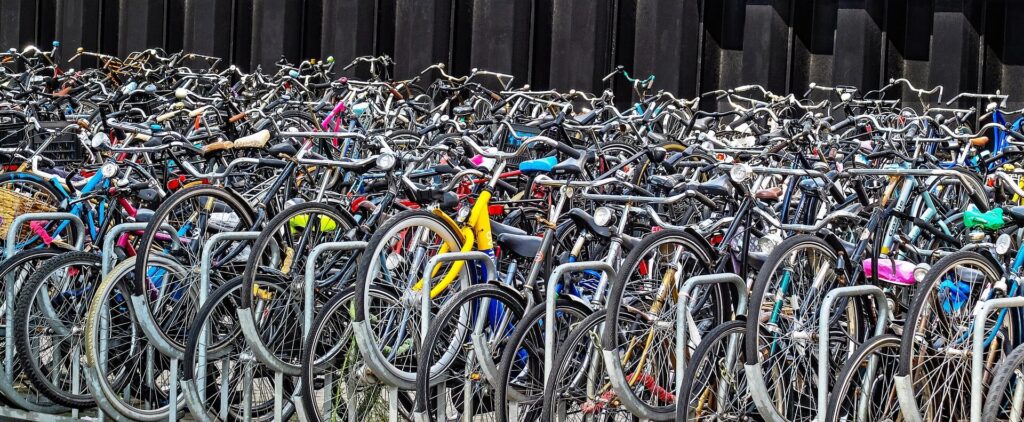
8. Rent Bicylcles
Feel like the locals. Cycling, the effective way to get around Amsterdam. Bike Tours in Amsterdam are essential, whether for a Single or for Multiple Days.

9. Flower Market
Visit Amsterdam’s Floating Market or Bloemenmarkt. From Monday to Saturday, the Singel Canal is decorated with fresh flowers, join a Tour.
Top 10 Attractions in Amsterdam
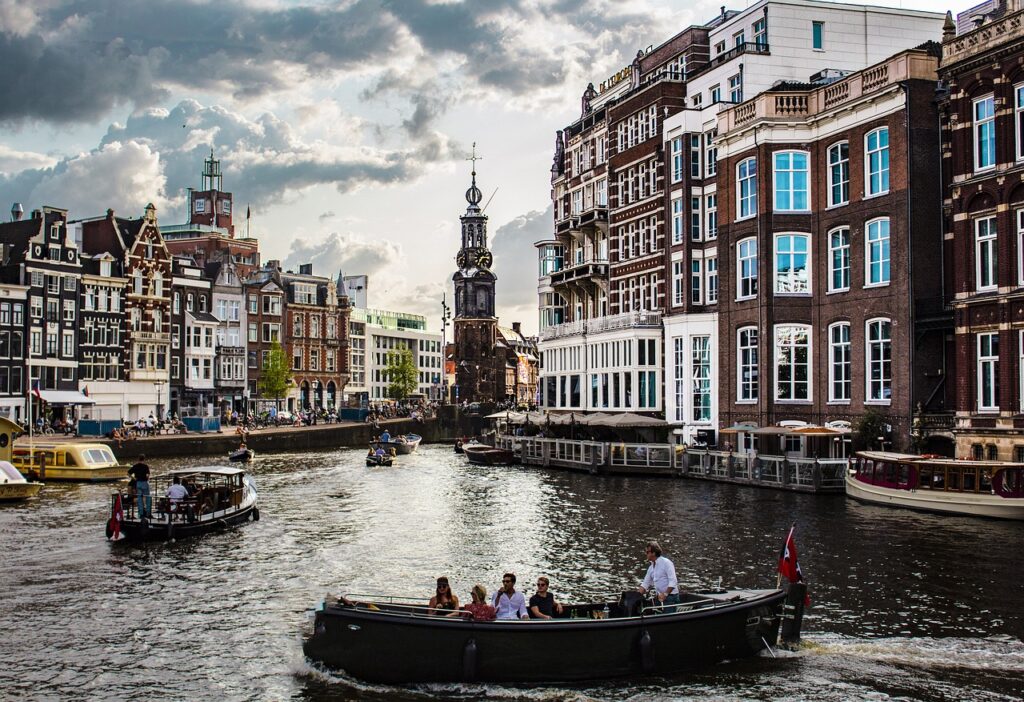
Canal Ring
Read the City from the Water
Amsterdam built its reputation by taming water it had no right to control. The Canal Ring is the clearest proof.
The Grachtengordel lies in central Amsterdam and is easily reached from Centraal Station or any major tram stop. Entry is free. The four main canals, Singel, Herengracht, Keizersgracht and Prinsengracht stretch roughly 10 kilometers in total, though walking a single canal like Herengracht end to end takes about 90 minutes at a relaxed pace. Spring and early autumn give the clearest light without peak-season crowds.
Amsterdam’s canals were developed first for water management and defense, then later for transport. The 17th-century expansion produced the three main encircling canals in two phases: Herengracht came first in 1612, Keizersgracht and Prinsengracht followed roughly 50 years later. UNESCO designated the district in 2010. Alongside the main canals stand 1,550 monumental buildings. Unlike many UNESCO heritage districts treated as static monuments, the Canal Ring continues serving its original purposes. People live here. Boats still move goods. Arguments still happen on the bridges.
Most visitors photograph the gables, then keep walking. The detail worth stopping for is the forward tilt built into many facades. Many canal houses tilt slightly toward the street, allowing goods to be hoisted without striking the facade. If you look up, the iron hooks are still there at roofline level.
Walking along Herengracht, you see the city’s old social hierarchy becomes visible in brick and stone. Most canal plots were limited to nine meters in width. At the Golden Bend, the richest merchants bought adjoining plots and built double-wide mansions with sandstone facades at a time when the rest of the city built in brick. Today, the Mayor of Amsterdam’s official residence remains at number 502, a street still dominated by banks and institutional offices rather than residents. The architecture is not decorative, it is a power map. Standing at the intersection of Reguliersgracht and Herengracht, 7 arched stone bridges align in a perfect line, most people walk straight past it.
Plan two to three hours on foot. Add a sixty-minute canal cruise if the budget allows. Even casual visitors are rewarded if they look beyond the postcard views.
Canal Cruise
Cruise on a Journey Through Time
Amsterdam built its reputation by taming water it had no right to control. The Canal Ring is the clearest proof.
The Grachtengordel lies in central Amsterdam and is easily reached from Centraal Station or any major tram stop. Entry is free. The four main canals, Singel, Herengracht, Keizersgracht and Prinsengracht stretch roughly 10 kilometers in total, though walking a single canal like Herengracht end to end takes about 90 minutes at a relaxed pace. Spring and early autumn give the clearest light without peak-season crowds.
Amsterdam’s canals were developed first for water management and defense, then later for transport. The 17th-century expansion produced the three main encircling canals in two phases: Herengracht came first in 1612, Keizersgracht and Prinsengracht followed roughly 50 years later. UNESCO designated the district in 2010. Alongside the main canals stand 1,550 monumental buildings. Unlike many UNESCO heritage districts treated as static monuments, the Canal Ring continues serving its original purposes. People live here. Boats still move goods. Arguments still happen on the bridges.
Most visitors photograph the gables, then keep walking. The detail worth stopping for is the forward tilt built into many facades. Many canal houses tilt slightly toward the street, allowing goods to be hoisted without striking the facade. If you look up, the iron hooks are still there at roofline level.
Walking along Herengracht, you see the city’s old social hierarchy becomes visible in brick and stone. Most canal plots were limited to nine meters in width. At the Golden Bend, the richest merchants bought adjoining plots and built double-wide mansions with sandstone facades at a time when the rest of the city built in brick. Today, the Mayor of Amsterdam’s official residence remains at number 502, a street still dominated by banks and institutional offices rather than residents. The architecture is not decorative, it is a power map. Standing at the intersection of Reguliersgracht and Herengracht, 7 arched stone bridges align in a perfect line, most people walk straight past it.
Worth your time without reservation. Sixty to 75 minutes is the right duration. It suits every traveller, but pays off most for first-timers, who want spatial orientation before they start discovering the city on foot.
Red Light District
Unveiling the Controversial Underbelly
De Wallen is Amsterdam’s oldest district, built around 1385 and centuries of complicated, unfiltered human history are pressed into every cobblestone.
Located a 5 to 10-minute walk from Amsterdam Centraal, the area is free to enter and open around the clock. Since May 2023, smoking cannabis outdoors on the streets of the Red Light District is prohibited and carries a €100 fine. Coffeeshop terraces remain exempt. Photography of sex workers is strictly forbidden. Evening visits from around 9pm onward offer the fullest experience. Nevertheless, daytime is quieter but better for the architecture.
The district’s long winding cobbled streets contain beautiful 14th-century architecture that most visitors ignore while gawking at the neon. The Oude Kerk, Amsterdam’s ancient building, lies directly at the centre of De Wallen. Yes, a Gothic church surrounded entirely by window brothels. It is a physical contradiction that no photograph can quite prepares you for.
Look down at the pavement just outside the Oude Kerk’s main entrance. A bronze statue named Belle, created by sculptor Els Rijerse, carries the inscription “Respect sex workers all over the world”, most tourists step straight over it.
De Wallen spans more than 17 alleys and streets with over 200 window brothels. Beyond that, the former brothel Red Light Secrets museum lets visitors sit inside a window, to understand the experience from a worker’s perspective. Well worth an hour. The Hash, Marihuana and Hemp Museum and the Erotic Museum complete the cultural offering.
De Wallen rewards curious, respectful visitors. Spend two hours here, more if you visit Red Light Secrets. Perhaps not for families with young children, but ideal for anyone serious about understanding how a city can legislate pragmatism over morality.
Vondelpark
An Urban Oasis Where Time Slows Down
Amsterdam’s beloved park is not simply a patch of grass. Discover a 47-hectare national monument that has absorbed 160 years of the city’s character.
Vondelpark, located southwest of the city center, close to the wealthy Old South neighborhood, stays open around the clock, every day of the year. Summer is the peak season, with June through August delivering the best weather and the fullest program of events.
The park opened in 1865 as Nieuwe Park. Jan David Zocher designed it in the English landscape style on former marshland, funded by prominent Amsterdam citizens. A statue of Dutch poet and playwright Joost van den Vondel led locals to adopt the name informally and the name stuck officially. The city declared it a rijksmonument, a state monument in 1996.
Most visitors walk straight past the 1e Constantijn Huygensstraat bridge without noticing what lies beneath it. Hidden below, the Vondelbunker began as a Cold War-era atomic air-raid shelter and doubled as a 1960s beat-music venue, where an early Pink Floyd performed. Today, concerts, film nights and cultural events fill the space. Staircase access is easy to miss but worth finding.
The park attracts more than 10 million visitors annually and packs in plenty: open-air theatre, six children’s playgrounds, several cafes. Lastly, a rose garden in the northwest with 63 hexagonal beds holding nearly as many rose varieties. Wild green parakeets now crowd the tree canopy and the first sudden lift of a flock overhead can be startling. In the middle of the park, the circular 1930s Blauwe Theehuis pours coffee and fills its wraparound terrace on any dry afternoon.
Vondelpark deserves 90 minutes on a warm day and longer in summer when the open-air theatre runs free performances. Welcoming everyone, families, solo walkers and anyone needing a proper break between museum visits.
Free Ferry Trip
Explore Amsterdam Noord’s Hidden Gems
The ferries exist because Amsterdam North sits across the water from the historic center and daily life needs reliable links more than scenic extras. What travelers now treat as a hidden attraction is still a commuter service first. You will stand beside office workers, parents with cargo bikes and students checking their phones rather than admiring the skyline. That realism is part of the appeal.
Watch the deck surface. It is ribbed steel polished by thousands of tires and shoes. The ramp rises and falls with the water level as boats pass. Many visitors miss that constant motion. It gives the crossing a tactile sense of Amsterdam as a living port rather than a museum set.
The experience depends on route choice. Buiksloterweg drops you near A’DAM Tower and the EYE Film Museum in minutes. NDSM takes longer and feels broader, with cranes, warehouses and open sky replacing canal houses. Wind can be sharp on deck, so bring a layer even in mild weather.
It is absolutely worth your time. Spend 20 minutes for a return ride or two to three hours if you explore Noord. Best for first-time visitors, photographers and anyone who likes cities that still function around you.
Amsterdam Sign
The I Amsterdam Sign Is Not Where You Think
Most visitors still make their way to Museumplein, expecting to find those giant red-and-white letters that once stood in front of the Rijksmuseum. The letters have been gone since December 3, 2018.
The sign was created by the marketing agency KesselsKramer and launched in 2004 as part of a city campaign promoting both tourism and civic identity. It worked, perhaps too well. By 2016, Amsterdam’s 800,000 residents were hosting an estimated 12 million visitors annually, while projections suggested 42 million people would visit the Netherlands each year by 2030. The city council voted to remove the Museumplein installation after a GreenLeft argued the sign was fueling overtourism.
The letters stood two metres high and stretched 23.5 metres wide. Visitors were allowed to climb directly on top of them. That climbable quality is what most people forget. It was not a passive photo backdrop but a physical structure you could stand inside, which explains exactly why it drew such impossible crowds in a limited square.
Today the sign rotates between locations, including Schiphol Airport and Sloterplas in the city’s west, along with occasional event sites. The Schiphol version is currently the most commonly listed location, situated near the airport plaza at Evert van de Beekstraat. Convenient for a photo on arrival or before departure.
Free to photograph. Free to access. Five minutes max.
Yes, worth a detour if you are passing through Schiphol anyway. Solo travelers and curious first-timers will find it satisfying precisely because the story behind its removal reveals more about modern Amsterdam than the letters themselves ever could.
Public Libary
The kind of building that makes you rethink what a library can be
Amsterdam spent €80 million building a library, opened it in 2007 and somehow kept it off almost every tourist itinerary.
Openbare Bibliotheek Amsterdam (OBA), the largest public library in the Netherlands. The OBA Oosterdok sits about 500 metres from Amsterdam Centraal Station and is Europe’s second-largest public library by floor area. The building spans 10 floors and 28,500 square metres. Entry is free. Opening hours are daily from 10am to 22pm. Tourists rarely plan to come here. You should.
Amsterdam has had a public library since 1919, when its first reading room opened on the Keizersgracht. The current building stands on an artificial island, Oosterdokseiland. Developed on the former grounds of a PTT mail sorting centre. Architect Jo Coenen’s design was completed on 7 July 2007. It went on to win the prize for the most sustainable publicly accessible building in Amsterdam in 2008, scoring highly for energy efficiency, materials use and waste reduction.
Most visitors miss this entirely. Two working radio stations broadcast live from inside the building, AmsterdamFM on the first floor and OBA Live on the fourth. The public is welcome to watch both. Stand at the glass and you will see presenters on air mid-afternoon, surrounded by Amsterdammers reading only metres away.
The floors are arranged by subject: literature and comics on the second, travel and history on the third, music and art on the fourth. There are 1,200 seats, 600 of them with internet-connected computers and a full auditorium on the upper level. Watch a local student fall asleep over a laptop, a pensioner working through a stack of Dutch newspapers, a tourist sketching the building’s undulating shelves. The crowd here is Amsterdam itself, not the curated version sold outside.
The seventh floor is the best reason to come upstairs, housing both the 300-seat OBA Theatre and a rooftop restaurant with a terrace offering panoramic views across the city. Lunch here costs around €10–15 and the view alone justifies the lift ride up.
Give it at least two hours. Ideal for solo travellers, anyone escaping the tourist circuit, or anyone needing refuge on a rainy Amsterdam afternoon without paying a cent.
Rent Bicylcles
Two wheels, no rules, pure Amsterdam
Renting a bicycle in Amsterdam isn’t a side activity here. It’s the closest thing to a temporary local passport.
The city has more than 880,000 bicycles for 872,000 residents. Bikes outnumber residents. Cycling is the city’s default mode of transport. Amsterdam has approximately 400 kilometres of bike lanes that run throughout the city, protected from car traffic by curbs or paint. Traffic lights have separate signals for bikes. Three-story bike parking garages hold thousands of bikes near Central Station. Infrastructure here was designed around cyclists long before the rest of the world caught on.
Rental shops cluster around Central Station, Leidseplein and Waterlooplein. Prices are around €10 for a few hours and roughly €15 for a full day. Some shops require deposits. Others place a hold on your credit card. Many offer electric bikes for a higher fee. Optional insurance, usually €3 to €5 per day, covers theft if you file a police report and return the lock keys. Given Amsterdam’s bike theft rate, the insurance is worth it. Don’t let your wheels slip into tram tracks. They’ll catch your wheel and throw you.
Take the free ferry behind Central Station across the IJ to Amsterdam Noord, the most undervisited cycling district in the city. MacBike, which has operated for over 30 years, offers routes through the rural Waterland area and along the Amstel River for those wanting to push beyond the canal belt. App-based options like Donkey Republic offer flexible short-term rentals if you only need a bike for a single crossing.
Rent one for a full day. It’s essential for anyone staying more than one night and it works for all fitness levels thanks to the completely flat terrain. Skip the e-bike unless you plan to cycle well outside the city. The standard Dutch upright is faster through traffic than it looks.
Flower Market
A Riot of Color and Fragrance
Somewhere beneath the tulips lies the Singel canal.
Bloemenmarkt runs along Singel canal between Koningsplein and Muntplein. It’s been here since 1862 making it the world’s only floating flower market. The stalls rest on houseboats permanently moored along the canal. Entry is free. Open daily from 9am to 5.30pm, with Sundays starting at 11am. Spring, the undisputed peak season. Tulip season runs from March through May and the color payoff is significant.
The market took root, when farmers transported flowers from surrounding regions by barge and sold directly from the water along the Singel. Tulips arrived earlier, imported from Turkey in the 16th century before triggering the now-legendary Dutch tulip mania, when a single bulb could sell for the price of an Amsterdam house. The history still lingers over every stall.
Cross to the opposite bank of the Singel, then look back. From that angle, the floating platforms come fully into view beneath the glasshouse roofs. Canal water flows below the stalls, while the city’s narrow gabled facades rise directly behind them. It makes an arresting composition and almost nobody stops to find it.
Some locals still buy their flowers here but most stalls now serve tourists buying bulbs to take home. You’ll need a phytosanitary certificate to bring bulbs into many countries. Most shops include it with purchase. Each stall carries its own scent and specialization and vendors will talk you through growing conditions if you ask. Go early on a weekday. By midmorning the narrow passage fills with slow-moving tour groups and the charm compresses into mild frustration.
Worth a visit if you love flowers, history, or want to breathe in one of Amsterdam’s most fragrant corners. Skip it if you’re short on time or allergic to tourist traps. Either way, 30 to 45 minutes is all you need.
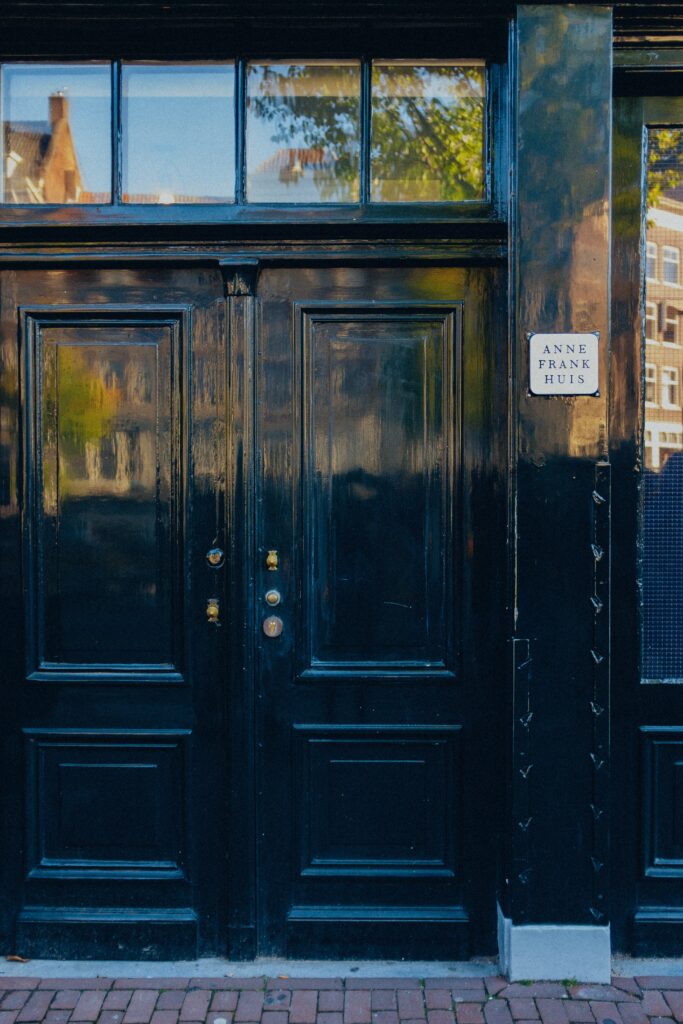
Anne Frank House
A Poignant Journey Through History
No building in Amsterdam carries more historical weight per square metre than this one.
The Anne Frank House sits on the Prinsengracht canal in the Jordaan district, a 20-minute walk from Central Station or a short ride (lines 13 or 17) to Westermarkt. Adult tickets cost €16.50 and must be booked online in advance for a specific time slot. No tickets are sold at the door. Every Tuesday at 10am, tickets for visits six weeks in advance are released simultaneously. Plan accordingly or risk missing out entirely.
The building is a 17th-century canal house where Anne Frank, her family and four others hid from Nazi persecution during the German occupation of the Netherlands. They remained in hiding for 761 days before the annex was raided on 4 August 1944. Everyone inside was arrested and sent to concentration camps. Otto Frank was the only one of the eight occupants to survive the war. He returned after the war and worked to have the house preserved and Anne’s diary published. The museum opened in 1960. Over a million people visit each year.
Most visitors focus on the bookcase. Don’t. On the walls of Anne’s bedroom, a few posters and postcards still hang. The rooms are bare. Otto wanted it that way so visitors would focus on what happened here rather than objects. The space feels smaller than you imagined. The windows still have blackout paper.
Key exhibits include Anne’s original red-checked diary in a glass case, her rewritten version on 215 loose sheets and her Quotes Book. Marks on the wall show where Anne measured her height. Anne grew 13cm during the hiding period. Otto Frank’s map of Normandy with pins tracking Allied advances is devastating. Photography is prohibited throughout, forcing a level of attention that screens usually erode. The visit ends in a multimedia space with 15 screens, featuring a 3D walkthrough and a video debate on freedom of expression.
Allocate 90 minutes minimum. For anyone old enough to sit with difficult history, not a place for rushed sightseeing but essential Amsterdam regardless.
Conclusion
FAQs
How to Get to Amsterdam
How to Travel to Amsterdam From Major Cities
Here’s an outline from key locations:
London
- Car: Scenic 7 hour drive, you will have ferry costs (left hand drive).
- Train: Eurostar and connecting train, the fastest ride are 3.5 hours.
- Bus: Flixbus is budget friendly and takes 11 hours.
Paris
- Car: A romantic 6 hour drive, have the tolls and traffic in mind.
- Train: Thalys a high speed luxury train, duration 3.5 hours.
- Bus: Eurolines are budget friendly and approximately 10 hours.
Berlin
- Car: Enjoy the German countryside and a 6,5 hour drive.
- Train: Direct trains with Deutsche Bahn approximately 6-8 hours.
- Bus: Flixbus budget friendly and takes 12 hours.
Parking in Amsterdam
- Street Parking: Limited and tightly regulated, look for blue zones with parking meters.
- Public Parking Lots: Scattered in the city, more secure, but expect higher fees.
- Hotels w/ Parking: Many hotels in Amsterdam offer on site parking facilities.
Airport Access in Amsterdam
- Location: Situated 17 km southwest of the city center, boasts excellent accessibility.
- Transportation: Trains connect you to Centraal Station in 15-20 min.
- Car Rental: Several reputable car rental agencies operate at Schiphol.
Ground Transportation in Amsterdam
Cars, buses and trains, the triumphant trio of travel. Providing a variety of choices:
Best Resources for Travel Planning

Flights
- Skyscanner
- Kayak
- Momondo
Accommodation
- Booking
- Agoda
- Hostelworld
- Airbnb
- +More
Transport
- Rental Cars
- Flixbus
- Trainline
- Interrail Pass
- + More
Tickets
- Viator
- Get your Guide
- Tripadviosor
Travel Finance
- Wise
- Revolut
Credit Cards
- American Express Gold Card
- Citi Premier Card
Travel Insurance
- Safety Wing
- Insure My Trip
- Medj
VPN
- Surfshark
- NordVPN
Flights
For seamless travel, meet your flight-booking wizards.
- Skyscanner: The Swiss Army knife, budget-wise, with a user-friendly interface.
- Kayak: Your travel detective, comparing deals across platforms, explore feature.
- Momondo: The local friend, uncovering affordable flights, for unique itineraries.
Accomandation
Choosing accommodation is like selecting a travel companion—it shapes your journey.
- Booking: Cozy guesthouses to luxury hotels, user-friendly and easy booking.
- Agoda: Unveiling unique accommodations, perks through a loyalty program.
- Hostelworld: The budget explorer’s compass, guiding to affordable stays.
- Airbnb: The disruptor, your local friend guiding you to unique spots.
- Secret Escapes: Offers exclusive deals on luxury accommodations worldwide.
- HostelPass: Discounts and perks for budget travelers staying in hostels.
- Plum Guide: Curates a collection of high-quality vacation rentals vetted by experts.
Transport
Discover Cars, Buses, and Trains for a journey as memorable as your destination.
- Rental Cars: Freedom on wheels, from compacts to SUVs, explore at your pace.
- Flixbus: Budget-friendly bus journeys across Europe for city-hopping.
- Trainline: Swift and easy track navigation with a one-stop ticket booking.
- Interrail Pass: Unleash European train travel magic, exploring diverse cultures.
- Eurail Pass: Extensive rail travel across Europe’s diverse landscapes.
- Rom2Rio: Simplifies travel planning by comprehensive route options.
- Outdoorsy: Connects nature enthusiasts with distinctive outdoor Rental.
- RV Share: Enables travelers on road trips through peer-to-peer RV rentals.
Tickets
Online ticketing platforms have revolutionized travel and entertainment experiences.
- GetYourGuide: Turns ordinary trips into immersive adventures, local guides.
- Viator: Simplifies your travel experience, offering a seamless platform for tours.
- Tripadvisor: Your guide to travel reviews and recommendations.
Travel Finance
Simplifying transactions and currency exchange for a smooth travel money experience.
- Wise: Formerly TransferWise, empowers travelers with real mid-market rates.
- Revolut: Fintech trailblazer, an app, currency wallet and fee-free spending abroad.
Credit Cards
Credit cards offer benefits like rewards and are useful for easy transactions or purchases.
- American Express Gold Card: Dive into a world of privileges and points.
- Citi Premier Card: A blend of rewarding points and flexible redemption options.
Travel Insurance
Providing comprehensive coverage and protection for travelers globally.
- Safety Wing: Excels in flexibility, providing coverage for digital nomads.
- Insure My Trip’s: Extensive network facilitates easy comparison.
- Medjet: Emergency transport, ensuring rapid air medical transport.
VPN
Encrypting your connection, hides your IP address, and defense against cyber threats.
- Surfshark: User-friendly features, unlimited device connections, secure.
- NordVPN: Vast server network, high speed connections and safe online presence.