
Delft
Currency
Euro (€)
Language
English, Dutch
Best Time to Visit
to, April, September
Getting Around
Walk, Bike, Waterbus
Table of Contents
Things to do?
My Favorites
Top 10 Attractions
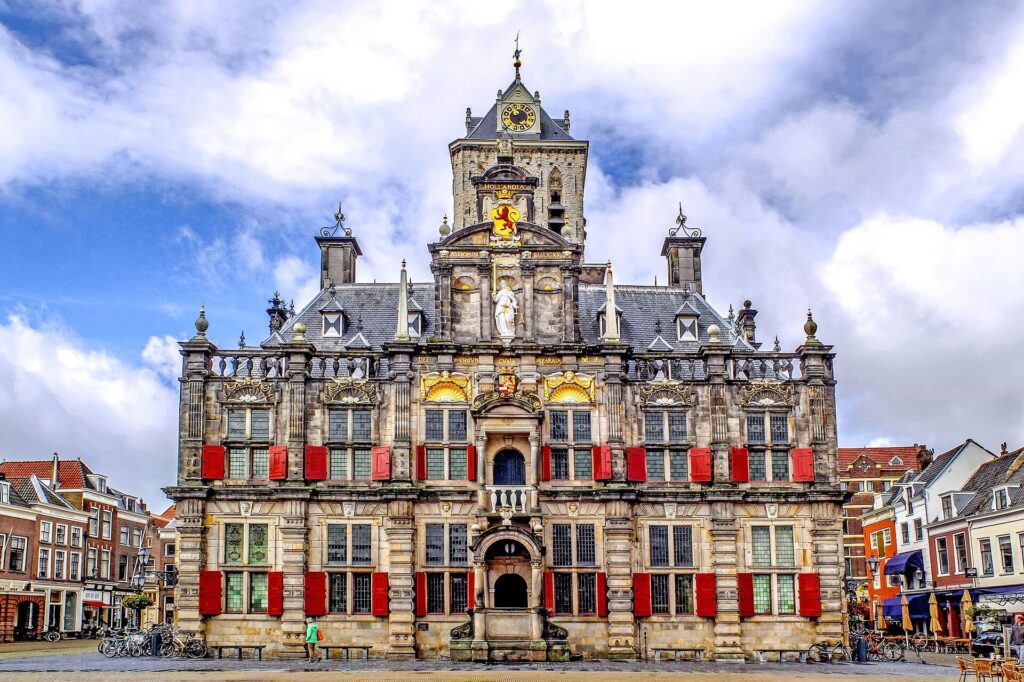
1. Delft City Hall
The Delft City Hall serves as an example of Dutch Renaissance architecture from the 17th century. Marvel the bell tower and sandstone walls.
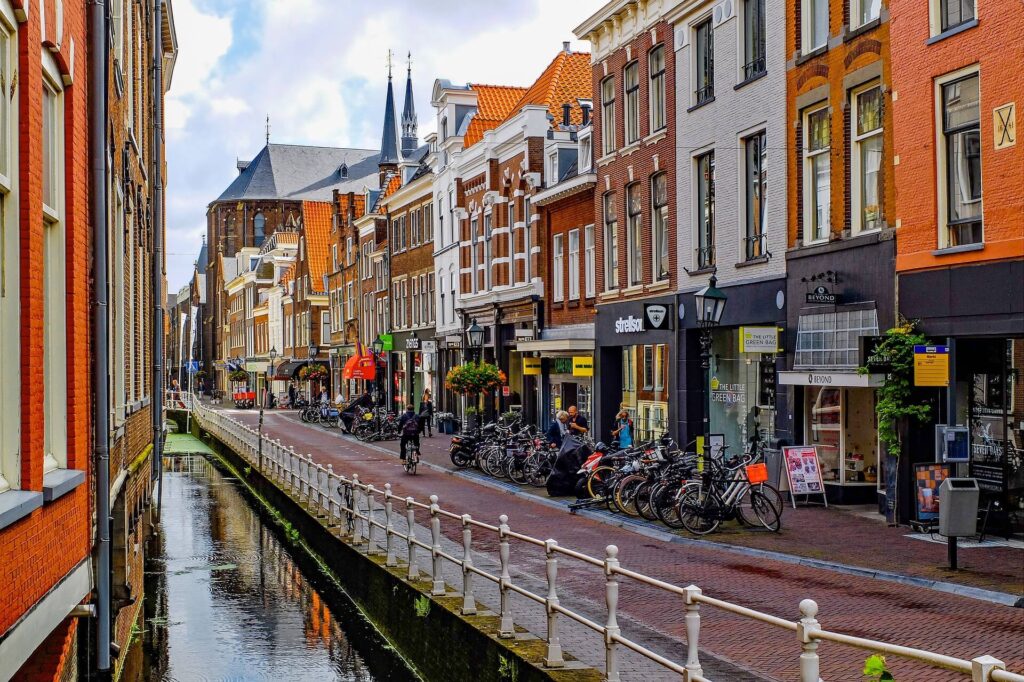
2. Canal Boat Tour
Delft owns many beautiful waterways that visitors can explore on canal boat trips. While gliding past several historical sights.
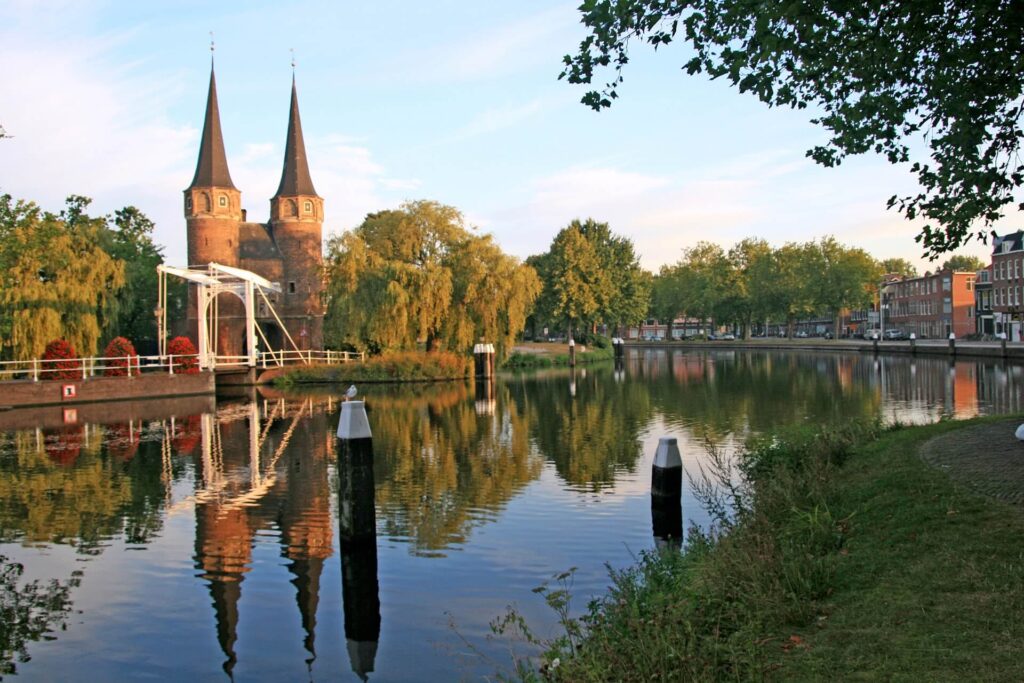
3. Oostpoort
Oostpoort dates back to the 16th century, as a gate that once guarded Delft’s city wall. See the archway flanked by two towers and a drawbridge.
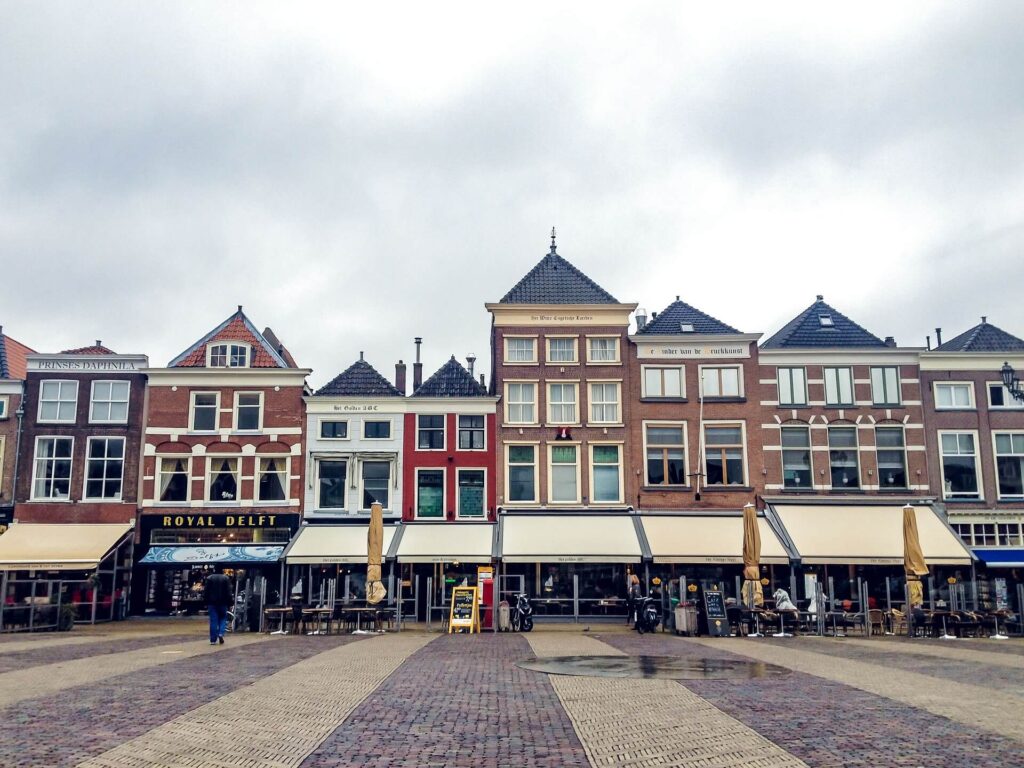
4. Market Square
The Market Square serves as the main square of Delft and the social, economic center. Surrounded by lovely cafes, restaurants and boutiques.
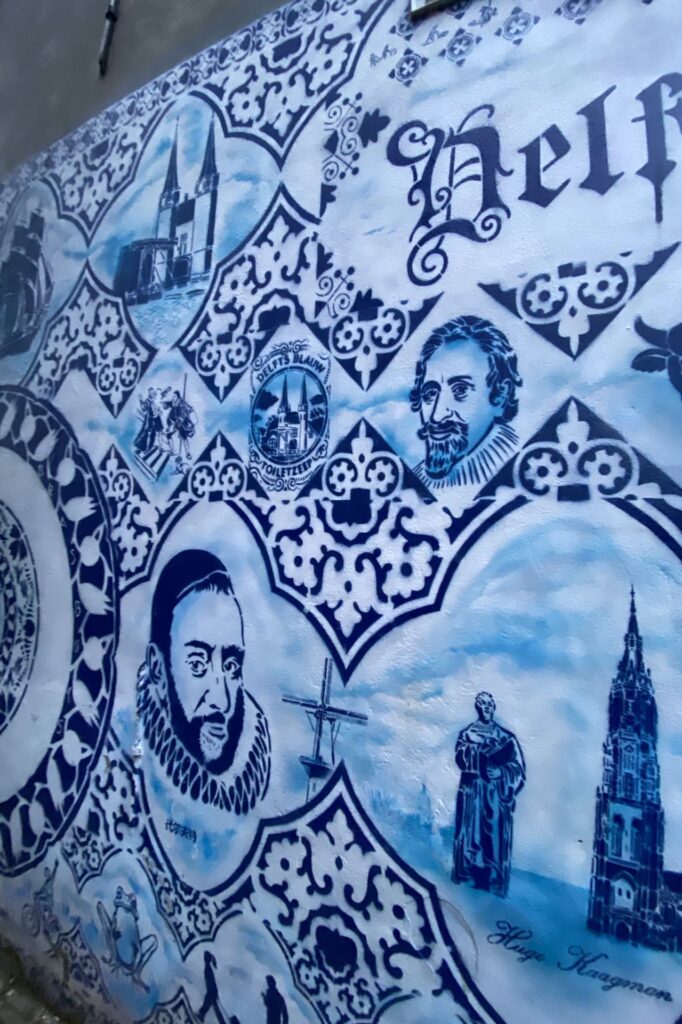
5. Delft Blue House
Since the 18th century the Delft Blue House exists. Visitors admire the blue and white Dutch tiles covering its exterior walls.
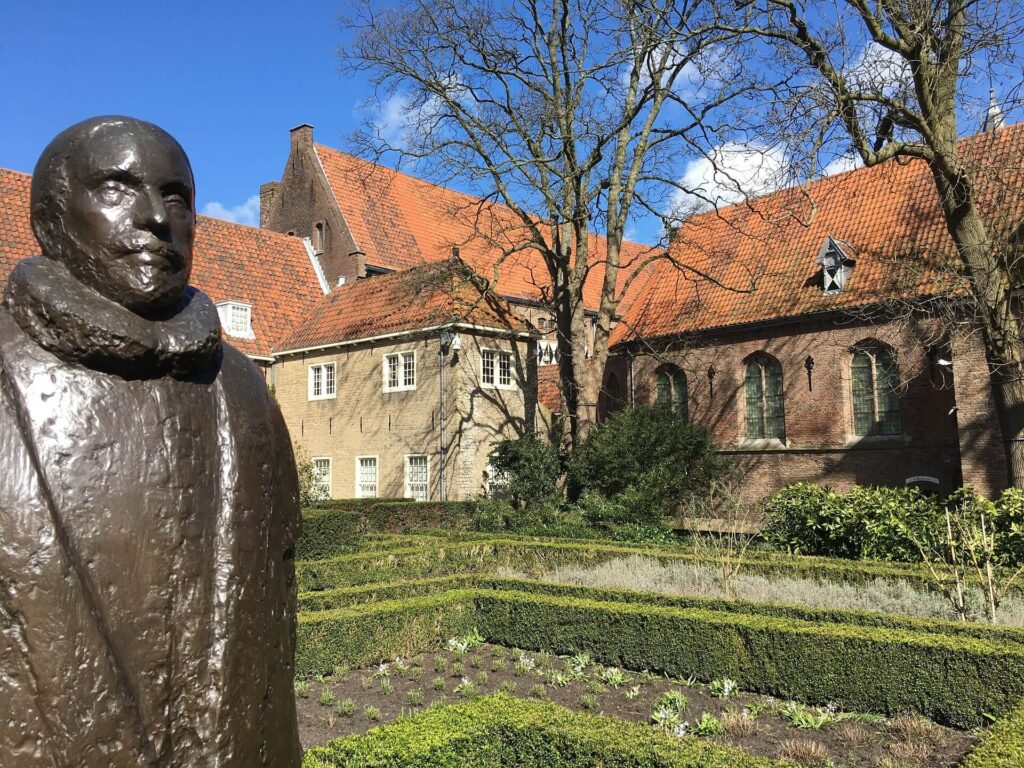
6. Prinsenhof Museum
Prinsenhofmuseum fills the former palace of William of Orange, with a large collection of objects from the Dutch Golden Age.
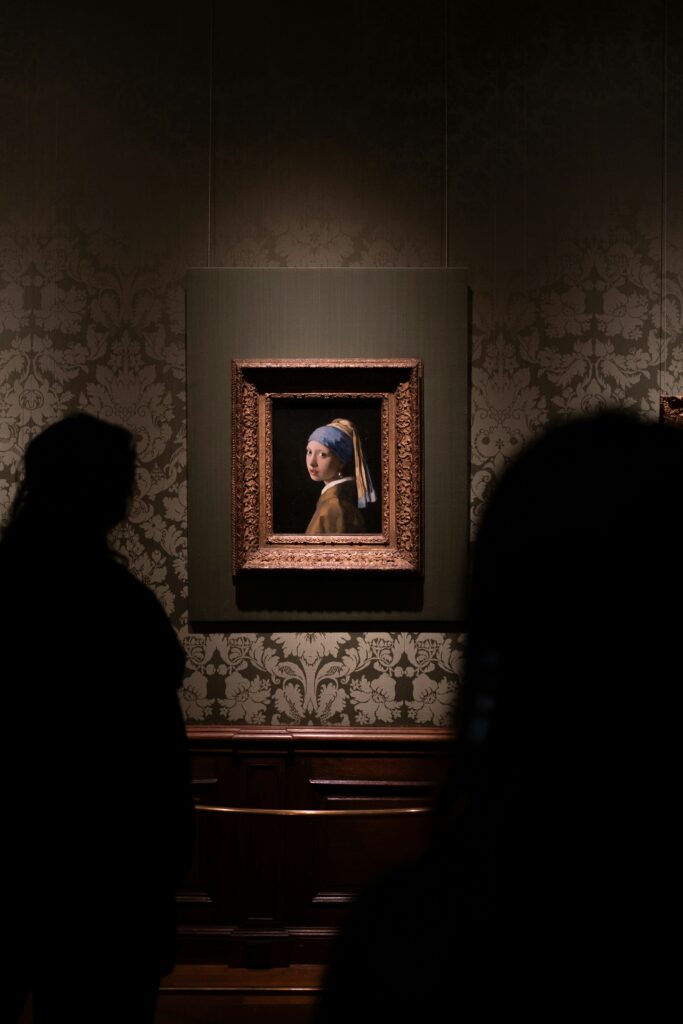
7. Vermeer Center
Discover the works of the famous Dutch painter “Johannes Vermeer”. The Vermeer Centrum Delft museum showcases his masterpieces.
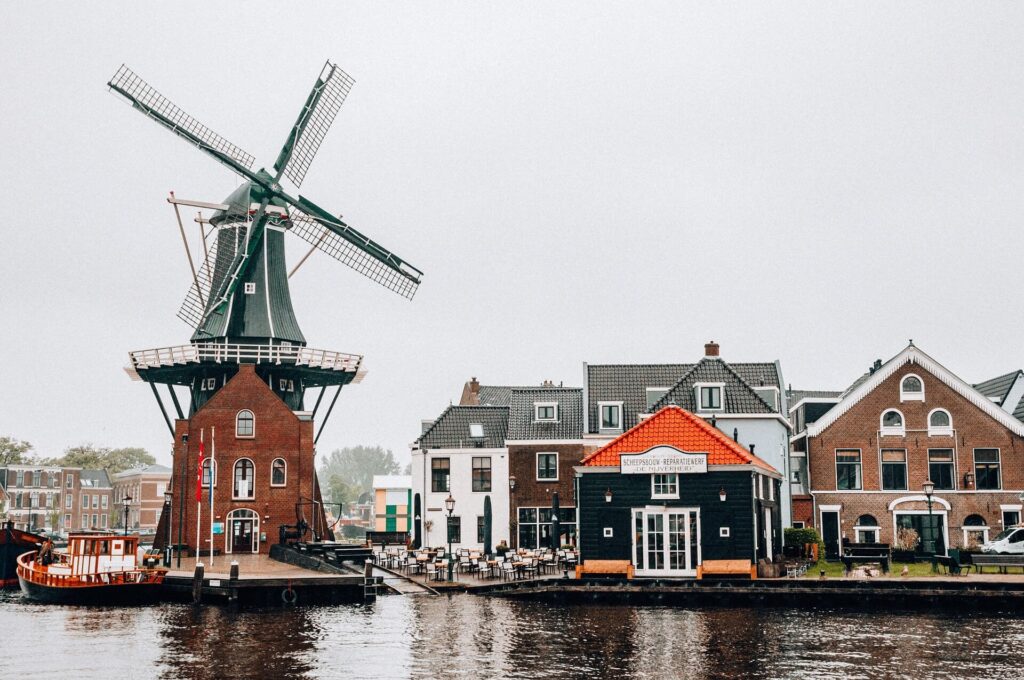
8. Windmill de Roos
Built in 1737, Molen de Roos stands among the Netherlands oldest windmills. Visitors can ascend the tower for spectacular views of Delft.

9. Uni of Technology
The Netherlands largest and oldest technical university, TU Delft provides 30 degrees across engineering, science and architecture disciplines.

10. Neef Rob Espresso
In the heart of Delft, Neef Rob Espresso & Theebar offers coffee, tea and pastries wrapped in charming vintage vibes.
Top 10 Attractions in Delft
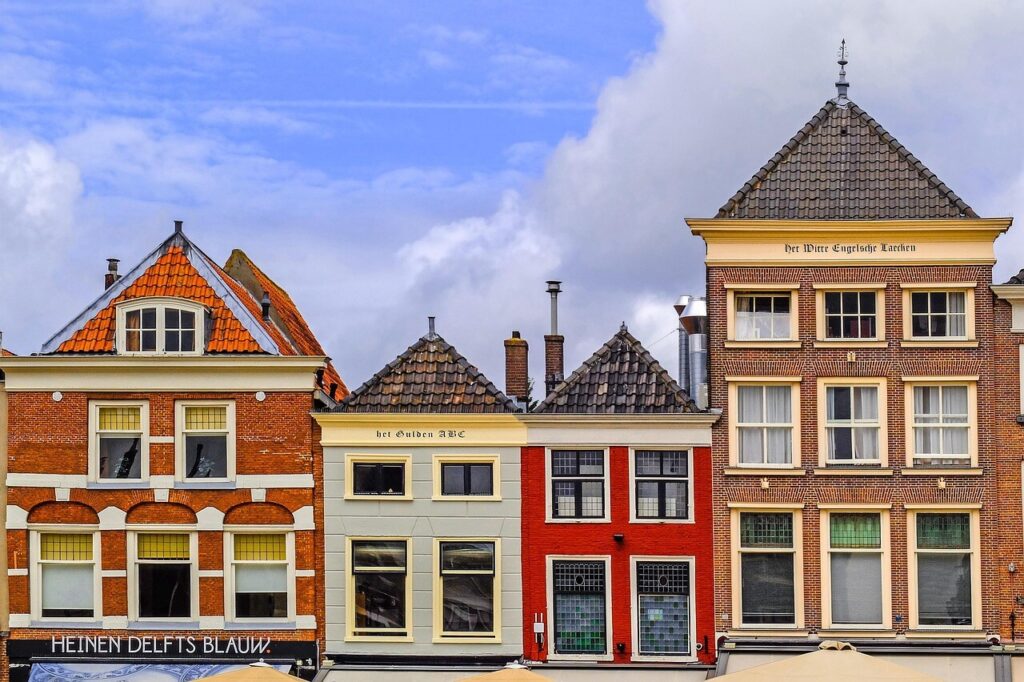
Delft City Hall
A Tale of Two Titans
The tower leans slightly. You notice it when you step back and look up at the whole structure against the sky.
Delft’s City Hall sits on one side of the Markt while the Nieuwe Kerk dominates the other. The City Hall dates to the Renaissance with a stone facade and elegant tower built in 1618. The Nieuwe Kerk is newer only by comparison, construction began in 1396. The church tower rises 108 meters making it the second tallest in the Netherlands. Inside you’ll find the crypt of William of Orange founder of the Dutch royal family. Members of the House of Orange-Nassau have been buried here for centuries. The tower holds 376 steps leading to a viewing platform.
The bells chime on the hour. The sound rolls across the square and down the narrow streets. Inside the church light filters through stained glass casting colored shadows on old stone. The air smells faintly of candle wax and age. Tourists photograph the ornate tomb of William of Orange while Dutch schoolchildren pass through on history lessons.
City council still meets in the City Hall. The Nieuwe Kerk functions as both monument and active place of worship.
Climb the tower on a clear day when you can see all the way to The Hague and Rotterdam. The stairs are steep and narrow but the view explains why Delft became such an important trading city. Go early to avoid crowds and take your time in the church itself. The monuments tell the entire story of Dutch independence if you read them slowly.
Canal Boat Tour
Unveiling Delft from a Watery Perspective
The boat sits low in the water. You feel every small ripple as the captain eases away from the dock.
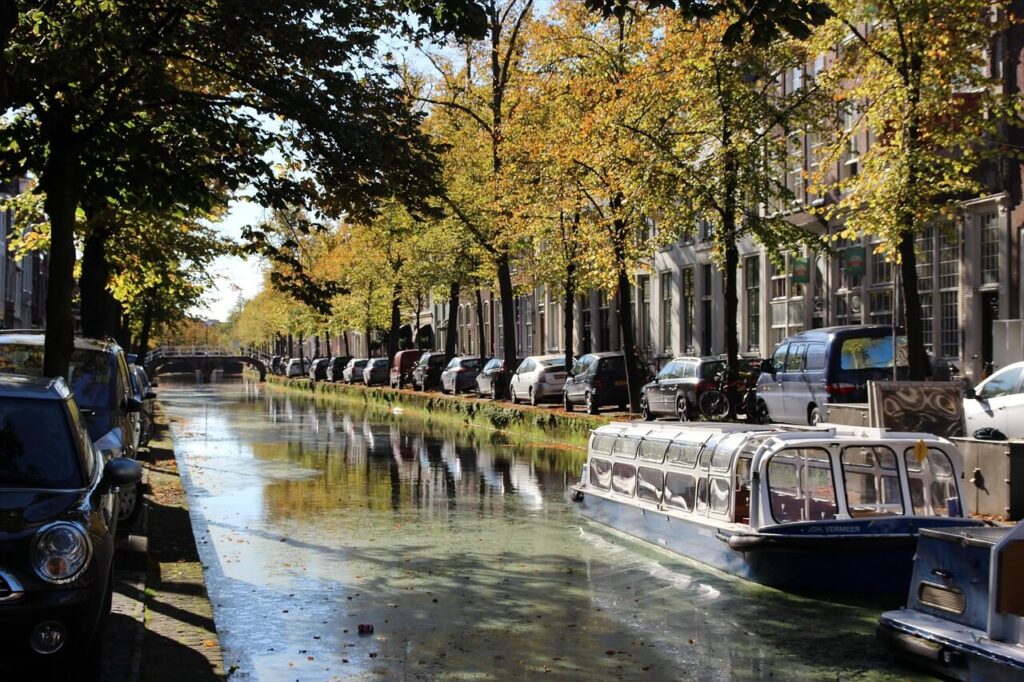
Delft’s canal tours run shorter routes than Amsterdam’s but show you a city most visitors miss from street level. Tours last about an hour departing from various points near the Markt. The boats are smaller and quieter holding maybe twenty people. Guides explain the history of each canal house and bridge in Dutch and English. You glide past medieval buildings, under stone arches and along tree-lined waterways where swans glide and ducks paddle in clusters.
The water reflects everything, brick facades, white clouds and the green of overhanging willows. The boat motor hums softly. Someone’s laundry hangs from a top floor window. A cat watches from a windowsill as you pass. The air smells like canal water and wet stone. In spring the trees bloom and petals drift onto the surface. In autumn the leaves turn gold and orange creating a canopy overhead.
Locals occasionally wave from their canalside homes. Students cycle past on the paths alongside. It feels intimate and unhurried compared to bigger city tours.
Book directly at the dock if the weather looks good rather than reserving ahead. The tours run frequently in summer and you’ll avoid unnecessary planning. Sit in the middle section for the smoothest ride and best angles for photos. Bring a light jacket even on warm days because the wind off the water drops the temperature five degrees.
Oostpoort
A Gateway to Delft's Fortified Past
Two brick towers frame the road like sentries that forgot to retire.
The Oostpoort is Delft’s last remaining city gate. It was built around 1400 as part of the medieval fortifications. Two tall Gothic towers flank a central archway where traffic once passed through defensive walls. The towers have pointed spires and small windows. They connect to nothing now, the walls came down centuries ago, so the gate stands alone like a piece of history someone lifted and placed in the middle of a neighborhood. The structure was restored in the 1800s when historic preservation became fashionable.
The brick glows warm red in afternoon light. Cars still pass through the archway. Cyclists zip past barely glancing up. The gate sits on a corner where canals meet and trees lean over the water. Ducks congregate near the base. The neighborhood around it feels residential and quiet. No crowds or souvenir stands. Just the gate and regular life continuing.
Families walk past pushing strollers. Students sit on the canal edge eating lunch. The gate is simply part of the landscape here.
Walk here from the city center in about ten minutes. It’s worth the short trip to see Delft without the tourist layer. The reflection in the canal creates a perfect mirror image on still days. Visit in late afternoon when the light turns golden and the towers cast long shadows across the water. Bring your camera but don’t expect company, this spot belongs mostly to locals and wanderers.
Market Square
The Beating Heart of Delft
Thursday morning arrives and the whole square transforms into color and motion and voices calling out prices.
The Markt has been Delft’s central square since medieval times. It’s shaped like a rectangle with the Nieuwe Kerk on one end and the City Hall facing it. Cafes and restaurants line the other sides with outdoor seating that fills every sunny day. The square hosted executions and royal ceremonies. Now it hosts markets twice weekly on Thursdays and Saturdays. Vendors sell cheese, flowers, fish, bread, clothing and household goods. The general market brings everyone from elderly locals doing their weekly shopping to tourists sampling Dutch herring for the first time.
The cheese stall smells sharp and tangy. Stroopwafels cook on griddles releasing caramel sweetness into the air. Vendors shout to each other in Dutch. Church bells mark the hour. Pigeons hop between the stalls looking for crumbs. The cobblestones wear smooth from five centuries of foot traffic. Cafe tables fill with people drinking coffee and watching the activity.
When the market isn’t running the square feels vast and formal. With the market it becomes intimate and alive. This is where Delft shops and socializes.
Come on Thursday morning when the market is biggest and most authentic. Bring cash because not all vendors take cards. Try the raw herring if you’re brave or buy a wedge of aged Gouda if you’re not. Stand near the New Church steps for the best overview of the whole scene. The cafes charge extra for terrace seating but the people watching makes it worthwhile.
Delft Blue House
Unveiling the Secrets of Delftware
The painters sit in the window painting tiny flowers and windmills on white porcelain while tourists watch from the street.
Royal Delft is the last remaining manufacturer of authentic Delftware from the city’s golden age of pottery. The factory was founded in 1653 when Delft had over thirty earthenware manufacturers. Chinese porcelain inspired the blue and white designs. Dutch potters couldn’t replicate true porcelain so they developed tin-glazed earthenware instead. Each piece is still painted by hand using techniques unchanged for four centuries. The Delft Blue House includes the factory, a museum and a showroom. You can watch painters at work and see historic pieces dating back to the 1600s.
The workspace smells like clay and paint. Brushes tap against porcelain with soft clicking sounds. A painter creates an intricate peacock design without sketching first, just steady hand and muscle memory. The museum displays vases and tiles that once decorated wealthy homes. In the showroom tourists hover over plates and cups checking prices and debating whether to ship items home.
Some visitors come just to watch the painters. The precision is mesmerizing. Each stroke matters.
Visit the museum first to understand what you’re seeing before you watch the painters work. The combination of context and living craft makes Delftware meaningful rather than just pretty. If you’re buying something choose carefully, real Royal Delft pieces carry the official mark and come with certificates. Reproductions sold elsewhere in town cost less but aren’t made here. The difference matters if authenticity matters to you.
Prinsenhof Museum
A Glimpse into Dutch Golden Age Splendor
The bullet holes remain in the wall. Two small dark marks where a man was murdered and a nation changed.
Museum Prinsenhof occupies the former convent where William of Orange lived and worked during the Dutch revolt against Spanish rule. In 1584 he was assassinated here in the hallway. The bullet holes in the stairwell wall are preserved behind glass. The museum explores the Eighty Years War, the birth of the Netherlands and the life of William of Orange. Collections include paintings, tapestries, silver and historical artifacts. Sections cover Delftware and the Dutch Golden Age. The building itself dates to around 1400 with a peaceful courtyard garden.
The rooms smell old, wood polish and stone and time. Portraits hang in heavy frames. Display cases hold letters written in careful script. Light falls through tall windows onto wooden floors. In the courtyard birds sing and traffic sounds fade away. The garden blooms with period appropriate plants. You can sit on a bench and imagine monks pacing these paths five hundred years ago.
School groups come through regularly. The museum serves as living textbook for Dutch history students.
Allow at least two hours to see everything properly. The assassination site draws crowds but the rest of the museum offers deeper context. Don’t skip the Delftware collection, it shows how art and economics intertwined in this small city. The garden provides a quiet break if you need to reset. Go on weekday mornings for smaller crowds and better light in the portrait galleries.
Vermeer Center
Delving into the Life and Legacy of a Master
He painted only thirty-six known works in his lifetime. Most of them happened in rooms within walking distance of where you’re standing now.
The Vermeer Center is not an art museum, it holds no original paintings. Instead it explores the life and techniques of Johannes Vermeer who lived his entire life in Delft. Born here in 1632, he worked as an artist and art dealer and died in debt in 1675. The center displays reproductions of all attributed Vermeer paintings with detailed explanations of his use of light, color and possibly camera obscura. Interactive exhibits demonstrate his techniques. Sections explore 17th century Delft and why this small city produced such extraordinary art.
Soft classical music plays in the background. Reproductions glow under careful lighting. You can look through a camera obscura yourself and see how it transforms a scene. The explanations help you understand why that pearl earring glows or how he captured light on fabric. It smells like any modern museum, climate control and clean floors.
Art students sketch in notebooks. Tourists lean close to examine brushwork details impossible to see in books.
Go here before or after visiting the Mauritshuis in The Hague where real Vermeers hang including Girl with a Pearl Earring. The center provides context that makes seeing the actual paintings more powerful. Spend extra time with the camera obscura demonstration. Once you understand the tool his paintings reveal different secrets. It’s small so an hour suffices but don’t rush. Vermeer never rushed either.
Windmill de Roos
A Touch of Dutch Wind Power
The sails turn slowly overhead making a sound like breathing, a rhythmic whoosh and creak that you feel in your chest.
Windmill de Roos sits on the northern edge of Delft along the old city fortifications. Built in 1679 it originally ground grain. The name means “the rose” though no one quite remembers why. The mill stopped commercial operation in the 1920s but was restored and now functions as a working monument operated by volunteers. It stands eight stories tall. The mechanism inside still works. When wind conditions are right the sails turn and the massive millstones grind grain into flour. You can climb the steep wooden stairs to the top where millers explain the machinery.
The wood smells old and oiled. Flour dust hangs in the air catching sunlight through small windows. Gears and wheels tower overhead connected by wooden teeth worn smooth from centuries of use. When the sails turn the whole structure vibrates slightly. The miller adjusts angles and checks the stones with practiced hands. From the top platform you see across Delft’s rooftops and the surrounding countryside.
Locals jog and cycle the paths around the mill. It sits in a quiet area where the city transitions to open land.
Visit when the mill is operational, check the schedule online before going. The volunteers who run it are passionate and eager to explain everything if you show genuine interest. The climb is steep with narrow steps so wear appropriate shoes. Go on a breezy day when the sails actually turn. A stationary windmill is interesting but a working one is alive.
Uni of Technology
A Hub of Innovation
The library roof grows grass. You can walk up it like a small hill rising from the plaza.
Delft University of Technology was founded in 1842 by King William II. It’s one of Europe’s leading technical universities specializing in engineering and applied sciences. The campus spreads across Delft with modern and historic buildings mixed together. The library designed by Mecanoo opened in 1997 with its sloped grass roof meant to preserve the skyline. A steel cone punctures the center bringing daylight to the reading floors below. The university enrolls over 26,000 students from more than 100 countries. Research labs work on everything from water management to aerospace engineering.
The campus smells like coffee from the many student cafes. Bicycles lean everywhere, against buildings, under trees or in massive racks. Students sit on benches arguing about equations or staring at laptops. The library feels bright and modern inside with open floors and natural light. Outside the grass roof attracts visitors who walk to the top for views across the city.
This is where much of the Netherlands’ engineering innovation happens. Students here design flood barriers and sustainable energy systems and aerospace technology.
The library roof is open to the public and offers surprising views without crowds. Walk up on a clear day and bring a book, the grass invites sitting. The campus isn’t a typical tourist stop but it shows you another side of Delft beyond pottery and canals. Stop at one of the student cafes for cheap coffee and eavesdrop on future engineers solving problems.
Neef Rob Espresso
A Local Favorite for Coffee and Tea Delights
The espresso arrives in a small white cup. The crema is perfect, thick and golden and holding together like silk.
Neef Rob opened in 2017 in a small corner space near Markt Square. The name means “Cousin Rob” though no one named Rob works here anymore. It’s a specialty coffee and tea bar focused on quality and simplicity. The interior fits maybe fifteen people at small tables and a counter along the window. They roast their own beans and serve single-origin coffees from rotating suppliers. The tea selection includes rare varieties sourced directly from small producers. No food beyond simple cookies. The space stays minimal, white walls, wood furniture and plants in the window.
Coffee aroma fills the tiny room. The espresso machine hisses and gurgles. Milk steams. The barista works with focused precision timing extractions and testing temperatures. Morning light pours through the front window. Students work on laptops. An older couple shares a pot of tea. Everyone speaks in low voices respecting the quiet atmosphere.
This is where locals come for serious coffee. Not Instagram coffee. Just excellent coffee made properly.
Order an espresso or pour-over and taste the difference quality makes. The staff knows their products deeply and will recommend something if you’re overwhelmed by choices. Grab a window seat if available and watch Delft wake up or wind down depending on when you visit. It’s small so don’t bring large groups. Go with intention to taste something carefully made rather than quickly consumed.
Conclusion
FAQs
How to Get to Delft
How to Travel to Delft From Major Cities
Here’s an outline from key locations:
Amsterdam
- Car: Enjoy a scenic drive of approximately 1 hour via A4 Highway.
- Train: NS Dutch Railways operates and takes around 55 minutes.
- Bus: FlixBus offers connections and the ride is about 1 hour and 20 minutes.
Rotterdam
- Car: A short 30 minute drive via A13 Highway.
- Train: NS Dutch Railways runs services, approximately 15 minutes.
- Bus: RET and FlixBus provide bus services with a travel time of around 30 minutes.
The Hague
- Car: Take in the scenery with a 20 minute drive via A13 Highway.
- Train: NS Dutch Railways operates trains, arrive in about 15 minutes.
- Bus: HTM offers comfortable bus connections, duration 25 minutes.
Parking in Delft
- Street Parking: Limited and strictly regulated, look for blue zones with parking meters.
- Public Parking Lots: Available around the city, with more security yet expect higher fees.
- Hotels w/ Parking: Many hotels in Delft provide on-site parking options for guests.
Airport Access in Delft
- Location: Located 8.4 km from the city center, offers access to Delft.
- Transportation: Taxis and shuttle services are readily available, for a quick transfer.
- Car Rental: Several reputable car rental agencies operate at the airport.
Ground Transportation in Delft
Cars, buses and trains, the triumphant trio of travel. Providing a variety of choices:
Best Resources for Travel Planning

Flights
- Skyscanner
- Kayak
- Momondo
Accommodation
- Booking
- Agoda
- Hostelworld
- Airbnb
- +More
Transport
- Rental Cars
- Flixbus
- Trainline
- Interrail Pass
- + More
Tickets
- Viator
- Get your Guide
- Tripadviosor
Travel Finance
- Wise
- Revolut
Credit Cards
- American Express Gold Card
- Citi Premier Card
Travel Insurance
- Safety Wing
- Insure My Trip
- Medj
VPN
- Surfshark
- NordVPN
Flights
For seamless travel, meet your flight-booking wizards.
- Skyscanner: The Swiss Army knife, budget-wise, with a user-friendly interface.
- Kayak: Your travel detective, comparing deals across platforms, explore feature.
- Momondo: The local friend, uncovering affordable flights, for unique itineraries.
Accomandation
Choosing accommodation is like selecting a travel companion—it shapes your journey.
- Booking: Cozy guesthouses to luxury hotels, user-friendly and easy booking.
- Agoda: Unveiling unique accommodations, perks through a loyalty program.
- Hostelworld: The budget explorer’s compass, guiding to affordable stays.
- Airbnb: The disruptor, your local friend guiding you to unique spots.
- Secret Escapes: Offers exclusive deals on luxury accommodations worldwide.
- HostelPass: Discounts and perks for budget travelers staying in hostels.
- Plum Guide: Curates a collection of high-quality vacation rentals vetted by experts.
Transport
Discover Cars, Buses, and Trains for a journey as memorable as your destination.
- Rental Cars: Freedom on wheels, from compacts to SUVs, explore at your pace.
- Flixbus: Budget-friendly bus journeys across Europe for city-hopping.
- Trainline: Swift and easy track navigation with a one-stop ticket booking.
- Interrail Pass: Unleash European train travel magic, exploring diverse cultures.
- Eurail Pass: Extensive rail travel across Europe’s diverse landscapes.
- Rom2Rio: Simplifies travel planning by comprehensive route options.
- Outdoorsy: Connects nature enthusiasts with distinctive outdoor Rental.
- RV Share: Enables travelers on road trips through peer-to-peer RV rentals.
Tickets
Online ticketing platforms have revolutionized travel and entertainment experiences.
- GetYourGuide: Turns ordinary trips into immersive adventures, local guides.
- Viator: Simplifies your travel experience, offering a seamless platform for tours.
- Tripadvisor: Your guide to travel reviews and recommendations.
Travel Finance
Simplifying transactions and currency exchange for a smooth travel money experience.
- Wise: Formerly TransferWise, empowers travelers with real mid-market rates.
- Revolut: Fintech trailblazer, an app, currency wallet and fee-free spending abroad.
Credit Cards
Credit cards offer benefits like rewards and are useful for easy transactions or purchases.
- American Express Gold Card: Dive into a world of privileges and points.
- Citi Premier Card: A blend of rewarding points and flexible redemption options.
Travel Insurance
Providing comprehensive coverage and protection for travelers globally.
- Safety Wing: Excels in flexibility, providing coverage for digital nomads.
- Insure My Trip’s: Extensive network facilitates easy comparison.
- Medjet: Emergency transport, ensuring rapid air medical transport.
VPN
Encrypting your connection, hides your IP address, and defense against cyber threats.
- Surfshark: User-friendly features, unlimited device connections, secure.
- NordVPN: Vast server network, high speed connections and safe online presence.